 English
 Español
 عربى
عربىIn simple terms, it is an electrical appliance that uses a motor to drive a fan to create negative pressure (suction). It sucks up dust, hair, debris, and other particles from floors, furniture, crevices, etc., and collects them in a dust cup or dust bag for routine home cleaning.
Key characteristics:
-
Household use: Different from industrial vacuum cleaners (which have higher power and larger capacity).
-
Creates suction: The core principle is using internal vacuum pressure difference to suck in air and dirt.
-
Filtration system: Uses filters (e.g., HEPA filters) to expel clean air and prevent secondary pollution.
-
Various attachments: Typically comes with floor brushes, crevice tools, motorized pet brushes, etc., for different cleaning scenarios.
Common types of household vacuum cleaners:
-
Canister (or cylinder) vacuum: A body with wheels, connected by a hose to the cleaning head. Strong suction, suitable for large areas.
-
Upright vacuum: The body stands upright; common in Europe and the US. Convenient for quick use.
-
Handheld vacuum: Small and lightweight, for cleaning sofas, cars, keyboards, etc.
-
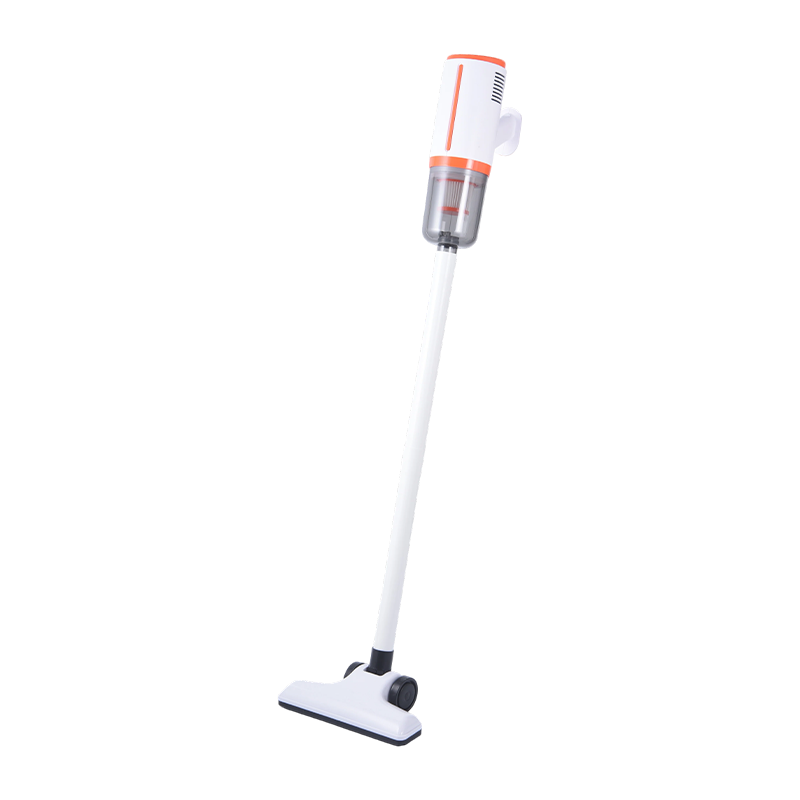
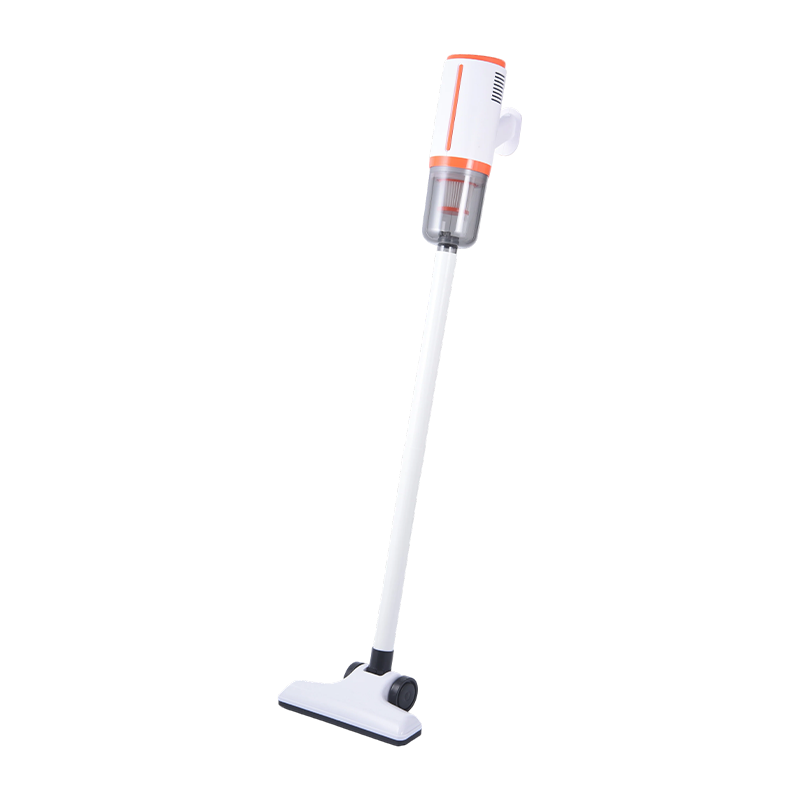
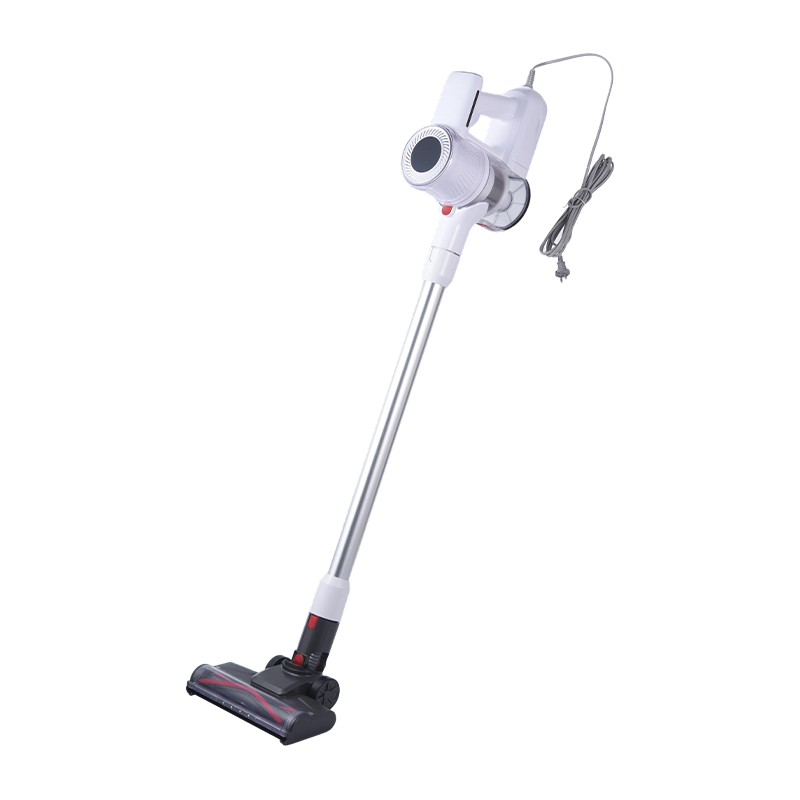
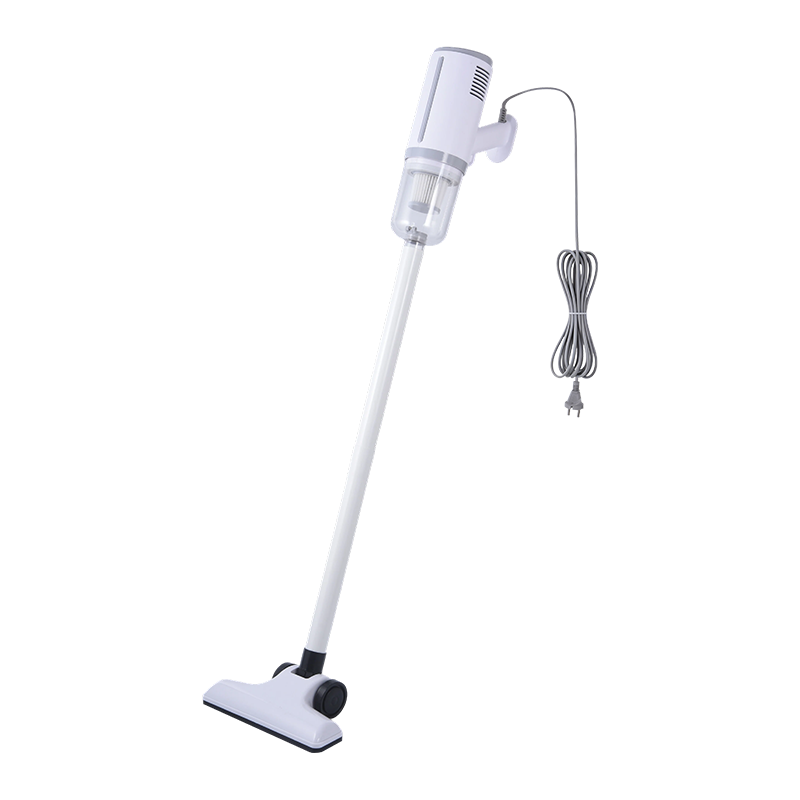
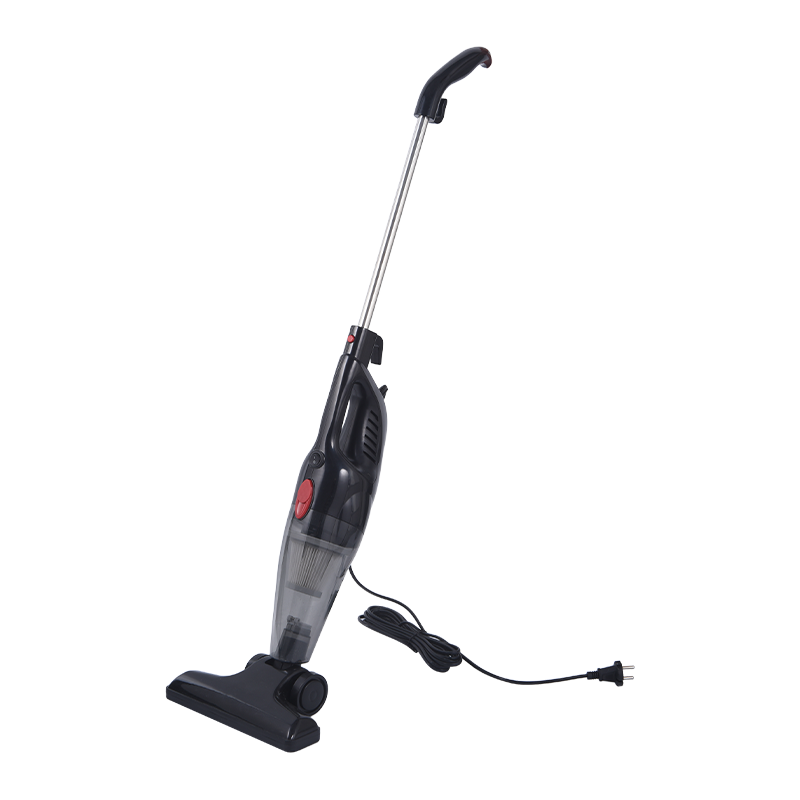
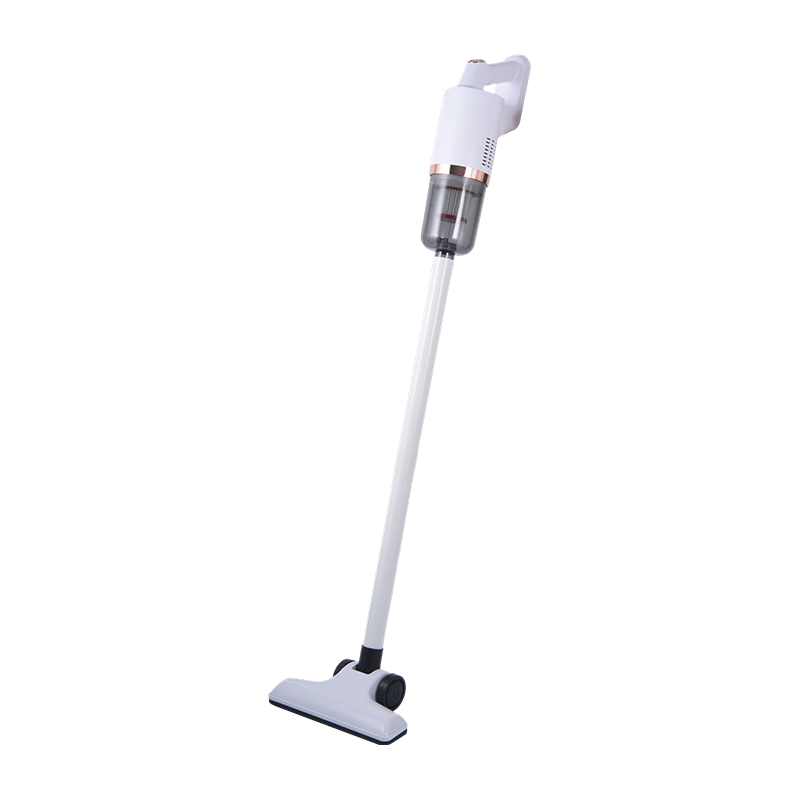
Stick vacuum (cordless): Currently the most popular type. Lightweight and free from power cords (e.g., Dyson, Xiaomi).
-
Robot vacuum (robotic vacuum): Automatically navigates and cleans floors.