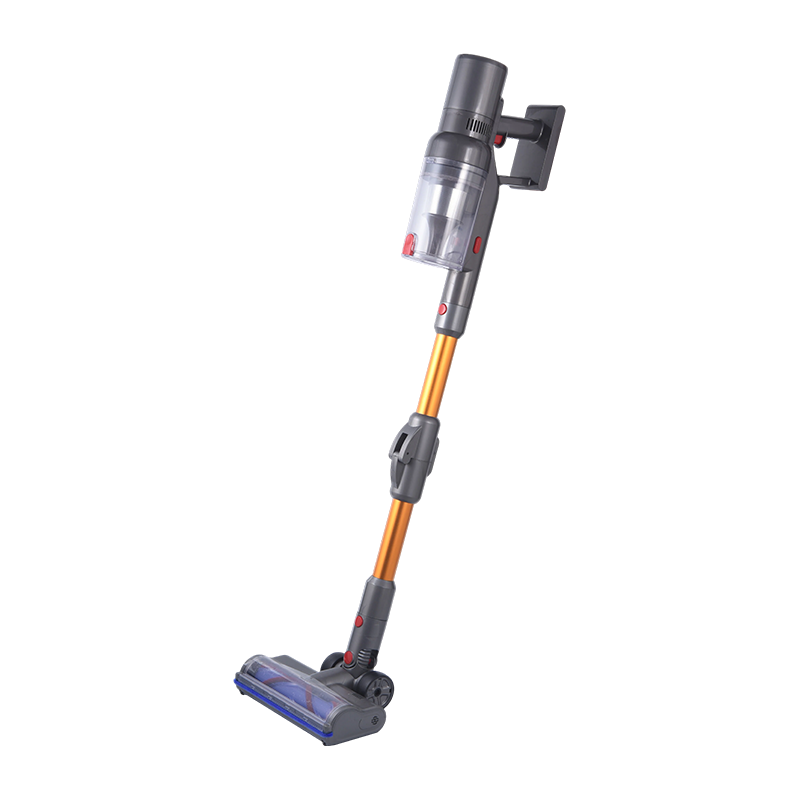
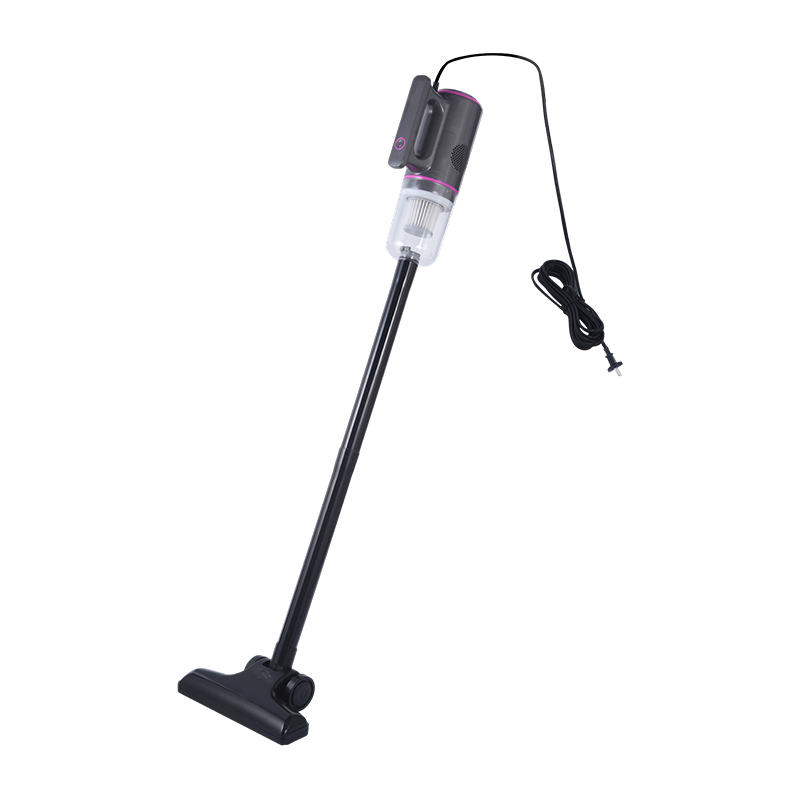
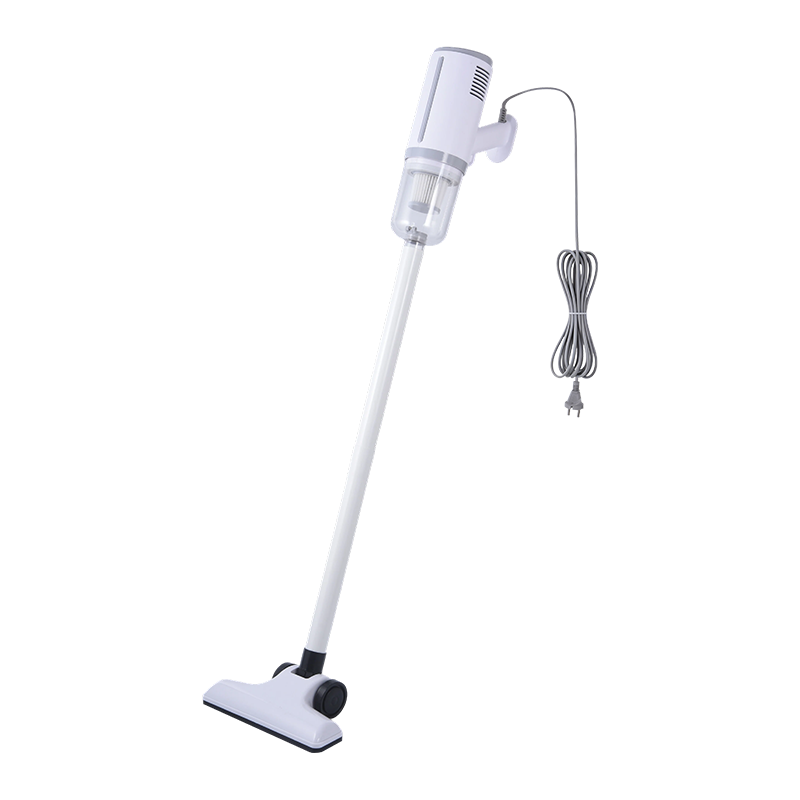
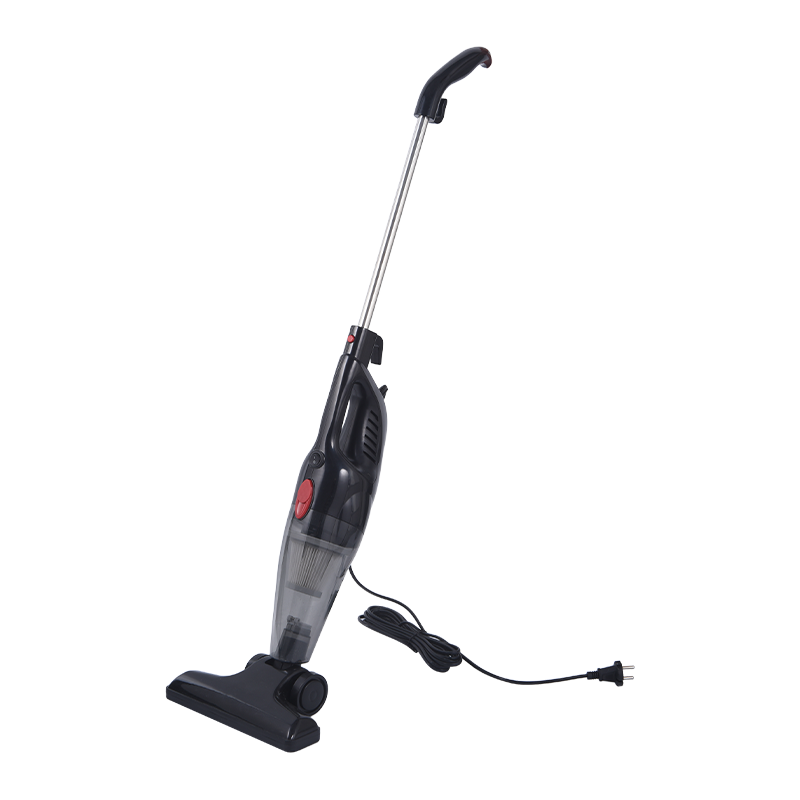
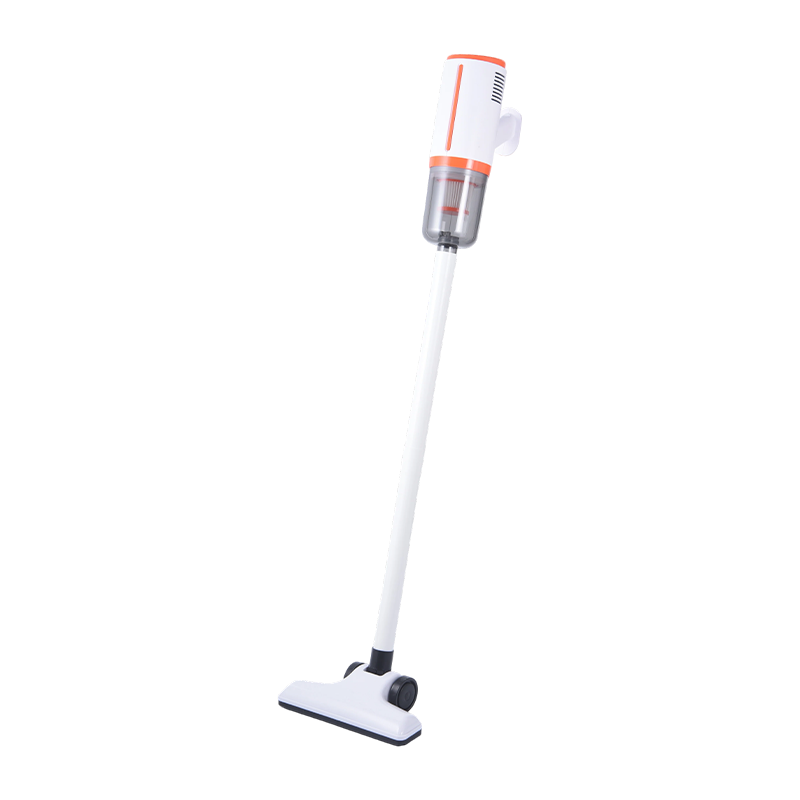
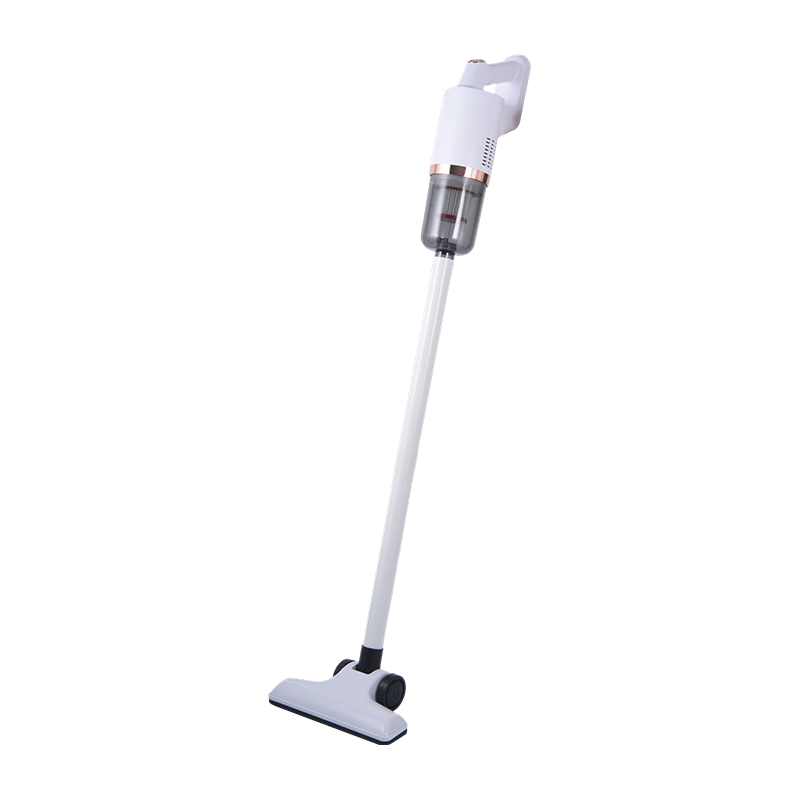
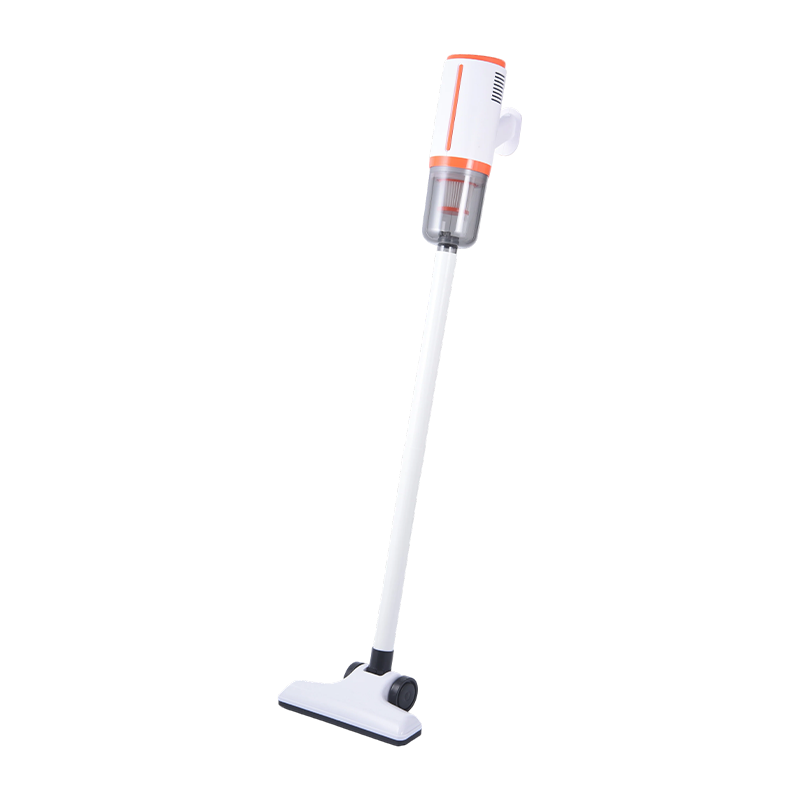
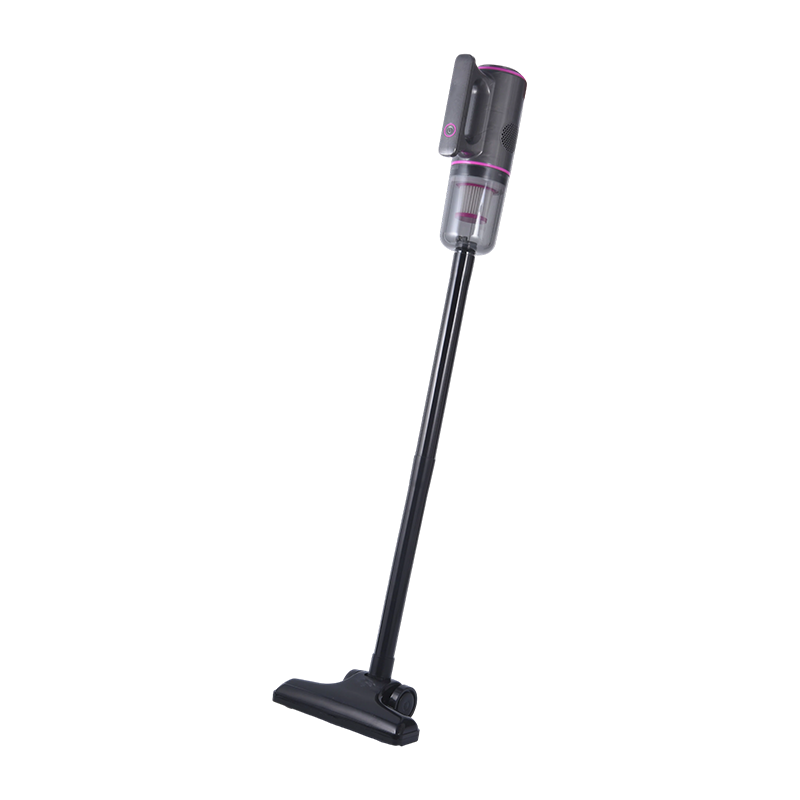
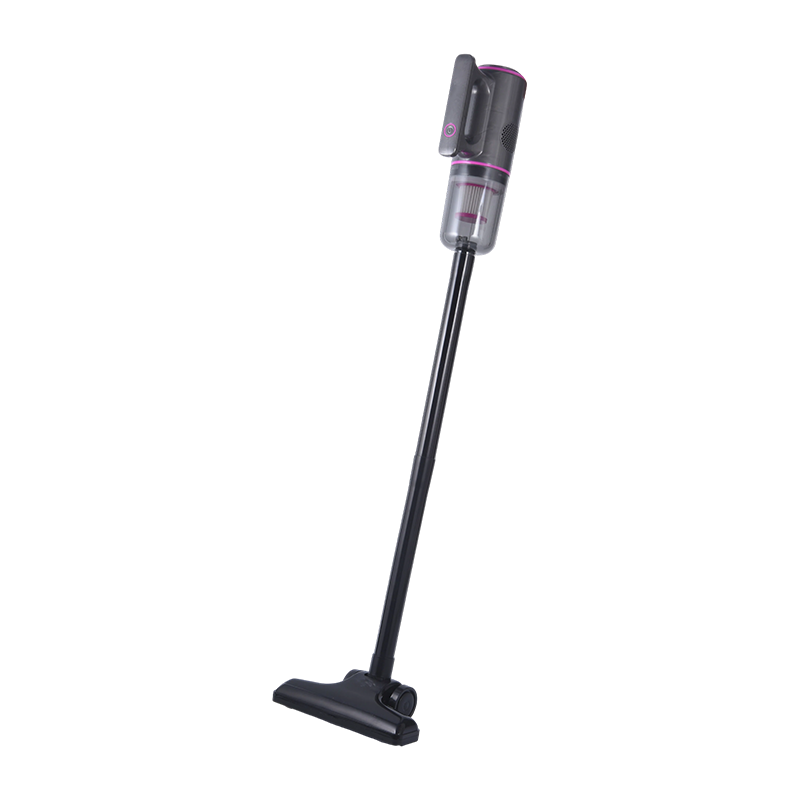
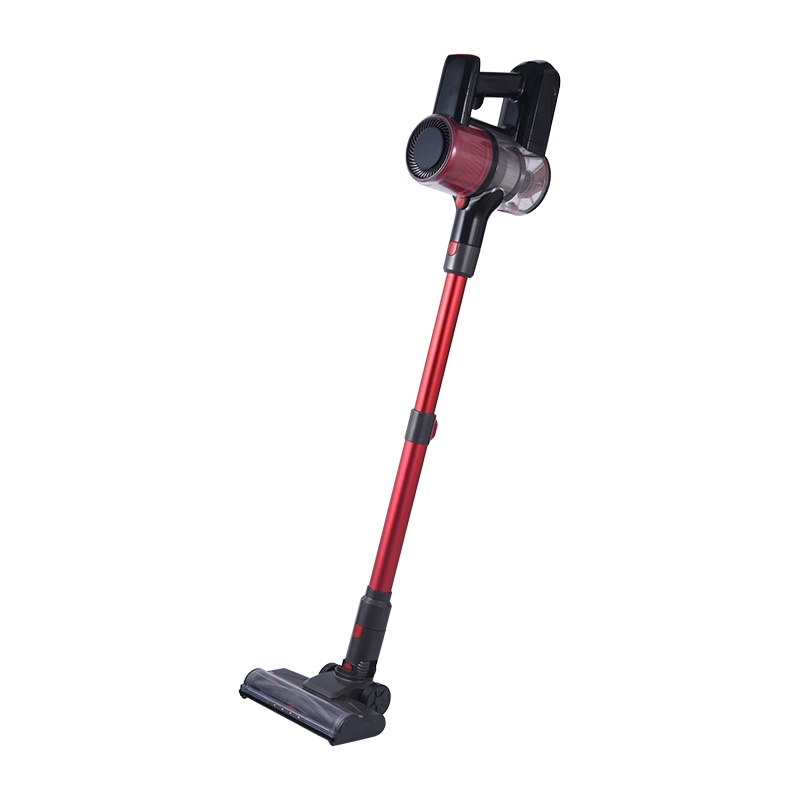
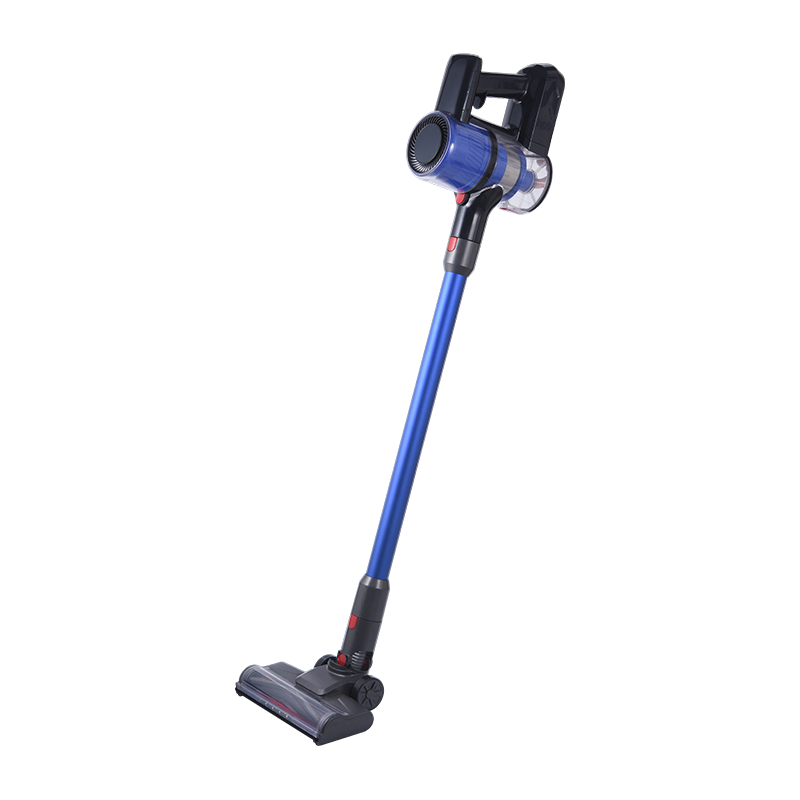
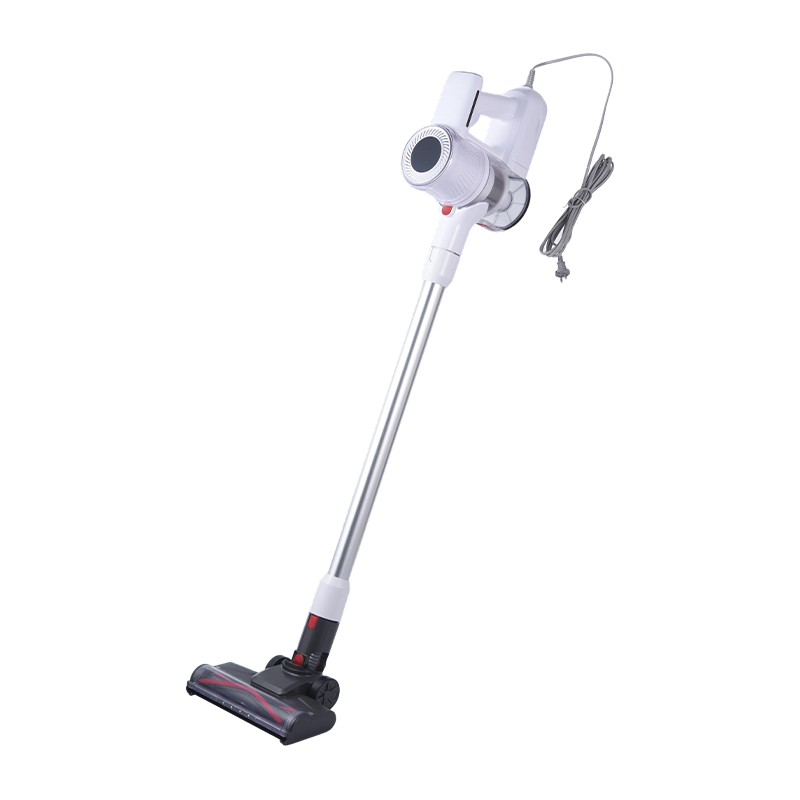
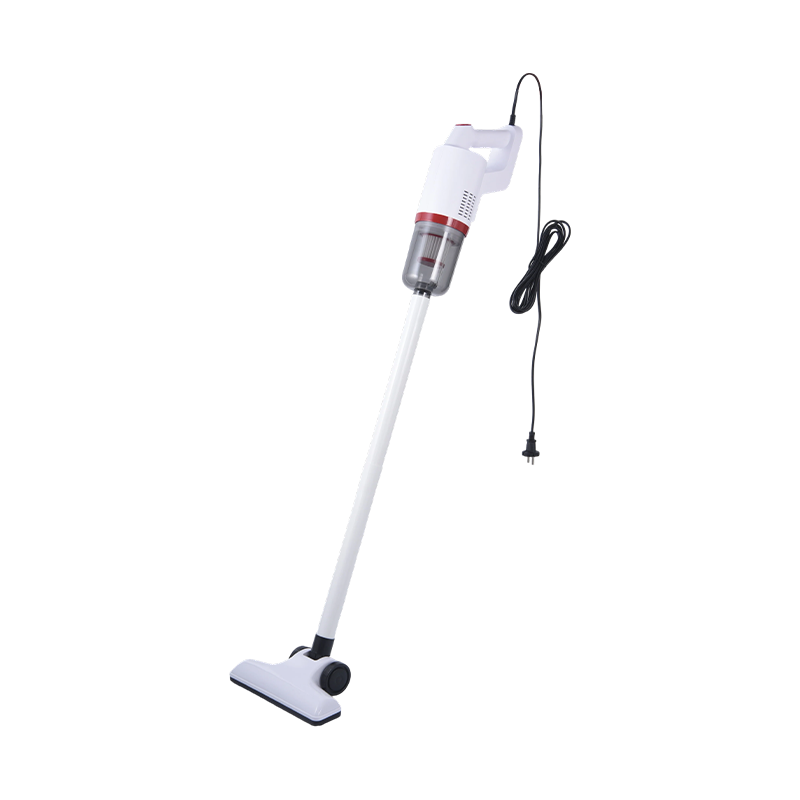
Household vacuum cleaners are indispensable cleaning tools in modern homes, designed to efficiently and conveniently remove dust, allergens, pet hair, and debris from floors, carpets, furniture, and even hard-to-reach crevices. With technological advancements, their forms and functions have become increasingly diverse, ranging from traditional powerful corded canister vacuums and lightweight, flexible cordless handheld models to intelligent, autonomous robotic vacuum cleaners, providing comprehensive solutions for different family structures, living spaces, and cleaning habits. Whether you prioritize powerful suction for deep cleaning, value the flexibility and convenience of a cordless design, or prefer the ease and efficiency of intelligent navigation, a suitable household vacuum cleaner can significantly improve cleaning efficiency, reduce workload, and effectively improve indoor air quality. They are not only powerful assistants in maintaining a clean home but also important partners in protecting family health and enhancing quality of life.
About Us
Cixi Xiaochao Electrical Appliance Co.,Ltd.
Cixi Xiaochao Electrical Appliance Co.,Ltd., rooted in Cixi City, Zhejiang Province, known as the "Capital of Small Household Appliances" in China, is a comprehensive household appliance manufacturer with over two decades of development history, integrating R&D, manufacturing and sales. The company is a China Household Vacuum Cleaner Manufacturer and OEM/ODM Household Cleaning Appliance Factory, committed to providing efficient, convenient and intelligent cleaning solutions and small household appliances for global users.
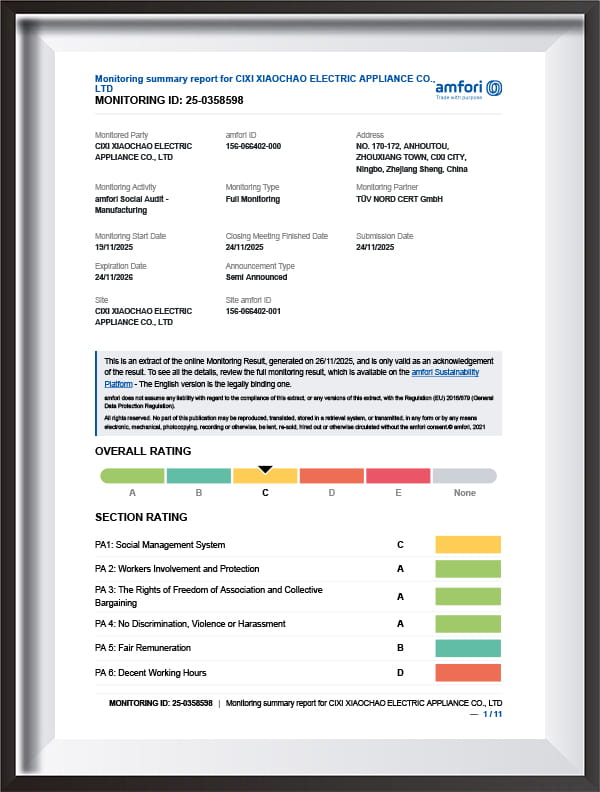
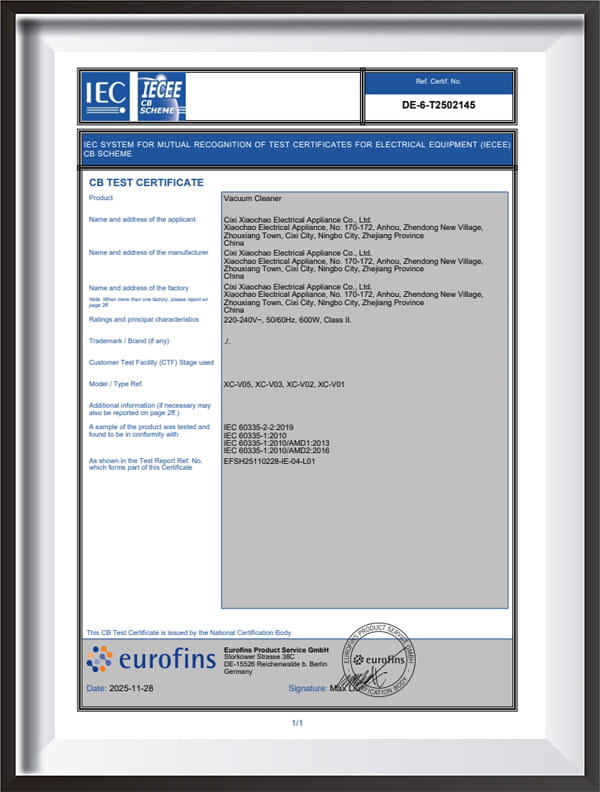
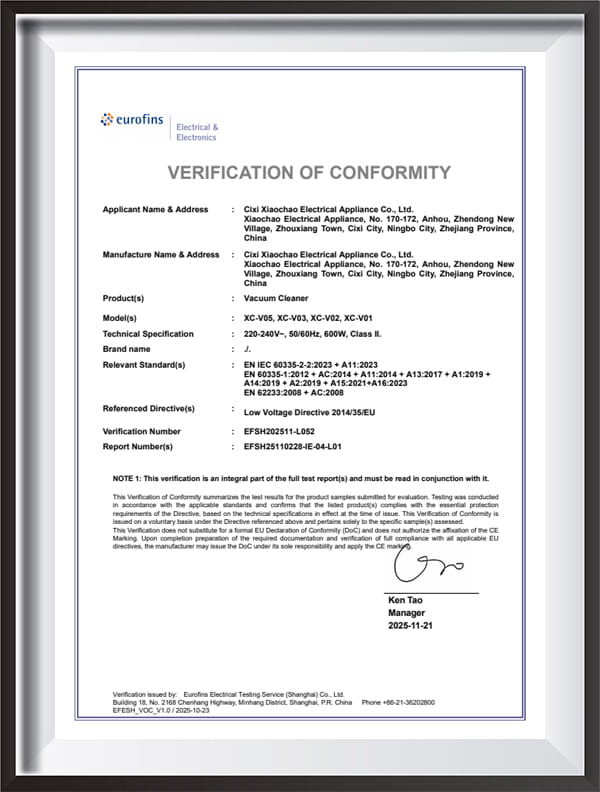
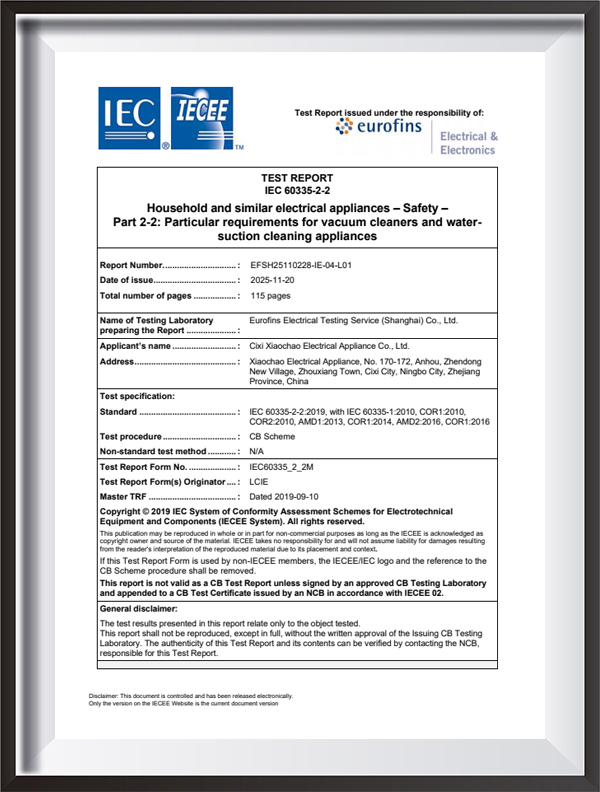
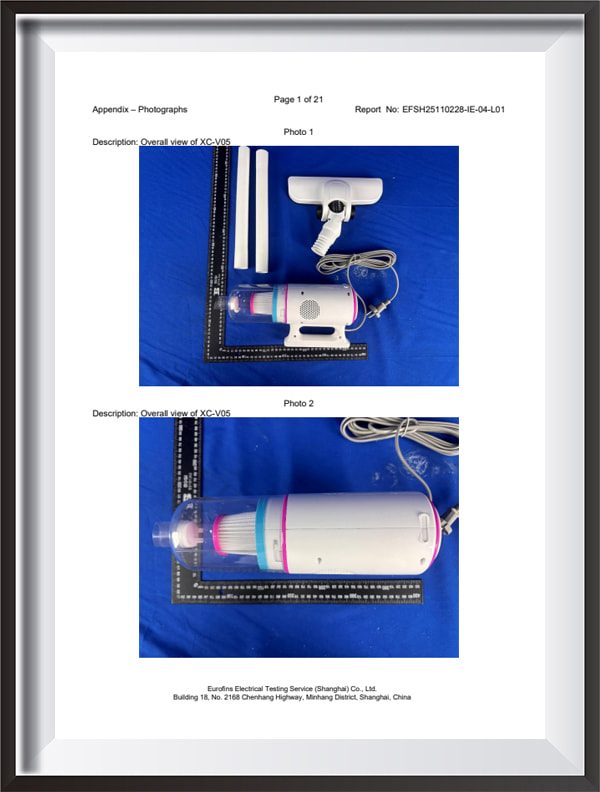
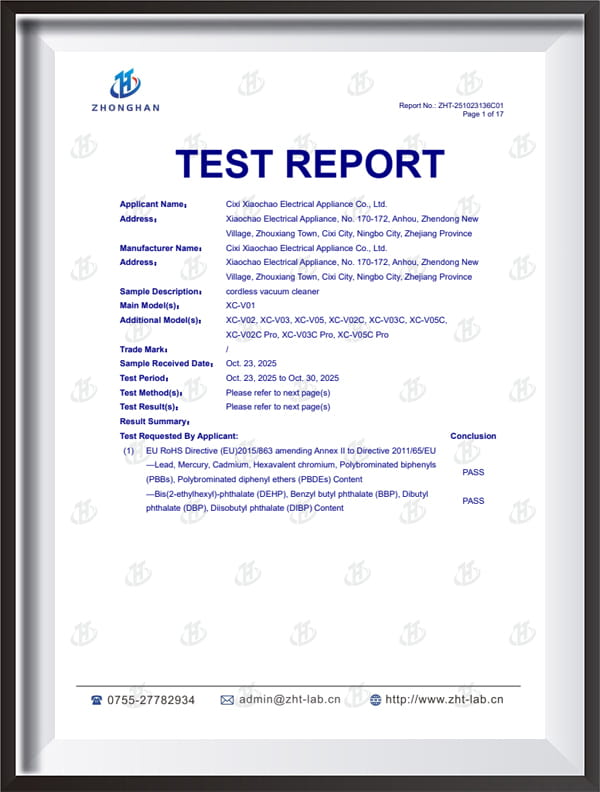
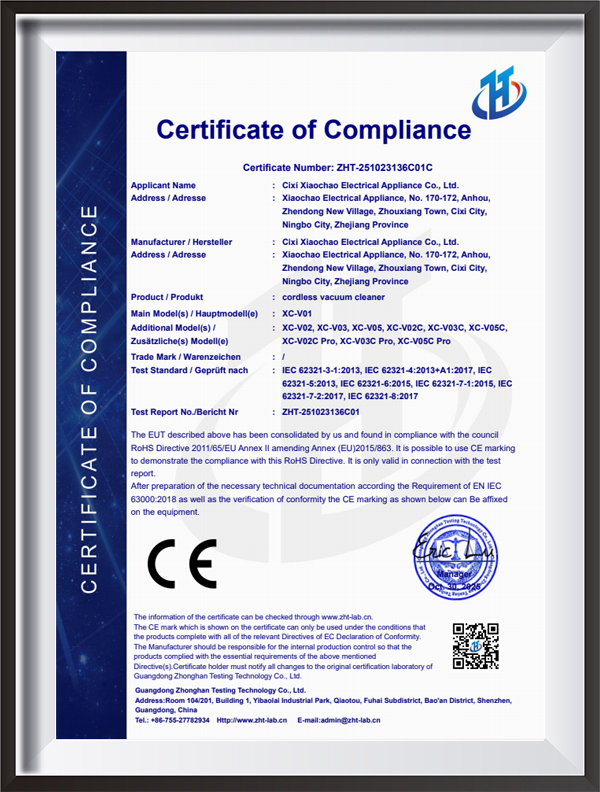
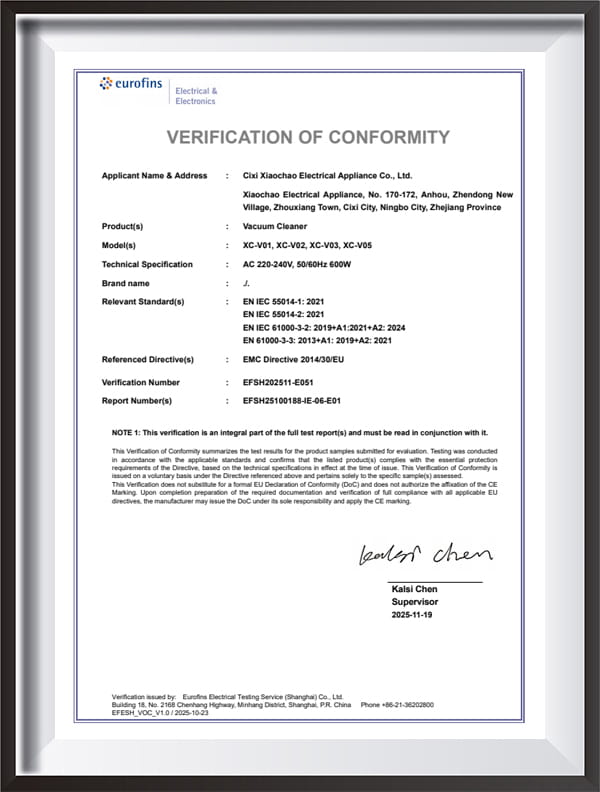
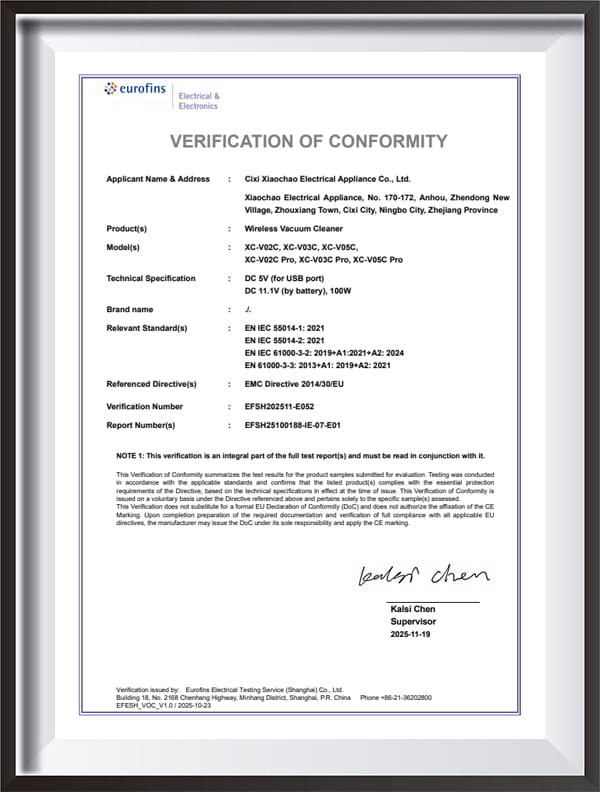
As a enterprise specializing in the R&D, production and sales of portable handheld vacuum cleaners, the company's cleaning product line covers household vacuum cleaners, car vacuum cleaners, cordless vacuum cleaners, mite removers and various multi-functional cleaning devices. The product range also extends to various table lamps, ultraviolet disinfection lamps, mini fans and other small household appliances, widely applicable to various life scenarios. The company covers an area of 18,000 square meters, equipped with 28 types of injection molding machines and 8 modern production lines, ensuring the independent and large-scale production from components to finished products. It has professional OEM and ODM cooperation capabilities and can provide flexible one-stop production solutions for customers. The company has passed the ISO9001 quality management system certification, ensuring the standardization and refinement of the production process. All products have passed multiple international and domestic certifications such as GS, CE, ROHS, CB, EMC, LVD, ERP and CCC, with reliable quality and compliance with global market access standards. With outstanding product quality and innovative design, the company's products are exported to many countries and regions around the world, including Europe, America, Japan, South Korea and Southeast Asia, and are deeply trusted by domestic and foreign markets and consumers.
With the mission of "Innovation-driven, Clean Future", the company adheres to the principles of lean manufacturing and customer first. Through continuous technological iteration and product innovation, it constantly improves the user experience, aiming to become a leading brand in the global cleaning field and striving to create a cleaner and more beautiful life!
Ask a returns desk what comes back most often and the answer is rarely "the motor died". It is usually a vacuum that still runs but no longer satisfies anyone: the owner says it "lost suction", the b...
Wipe a finger along any baseboard three days after mopping and you will still pick up a thin grey film. A vacuum cleaner exists to take that film out of the room before it goes back into the air. If ...
A Rechargeable Handheld Vacuum Cleaner is a practical addition to a home cleaning appliance range when the goal is fast, close-range cleanup of sofas, car seats, stairs, desks and bedding. It is not b...
When a distributor in Eastern Europe opened the first batch of warranty claims after selling a line of cordless stick vacuums, the pattern was easy to read. Brush rolls had flattened after four month...
Imagine you are a purchasing manager for a regional wholesaler, and three different factories send you cordless vacuum samples with almost identical spec sheets. One machine picks up pet hair cleanly...
A household vacuum cleaner suited to daily cleaning needs generally falls into three practical categories, cordless handheld stick vacuum cleaners for quick spot cleaning, corded high powered vacuum cleaners for deep whole home cleaning, and hybrid convertible models that combine features of both. Choosing between these depends primarily on living space size, flooring type, and how frequently cleaning tasks need to happen throughout the week. This article explains how each vacuum cleaner category performs across common household scenarios, what suction and battery specifications actually mean in practice, and what to look for when comparing a cordless handheld stick vacuum cleaner against a traditional corded unit.
Core Categories Of Household Vacuum Cleaners
Household vacuum cleaners are generally grouped by power source and form factor, and each group serves a distinct cleaning purpose. A cordless handheld stick vacuum cleaner combines a lightweight body with a rechargeable battery, allowing quick movement between rooms without needing to locate a power outlet. A high powered household vacuum cleaner with cord relies on continuous mains power, which typically supports stronger and more sustained suction output for larger cleaning sessions across multiple rooms.
A third category, the convenient cordless handheld vacuum cleaner for home use, sits between these two, offering portability similar to a handheld unit while extending into a stick configuration for floor cleaning. Matching the vacuum cleaner category to actual cleaning habits is the most important factor in long term satisfaction, since a household that cleans large carpeted areas daily has different requirements than one focused mainly on quick spot cleaning of hard floors and furniture.
Vacuum Type
Power Source
Best Fit Scenario
Cordless Handheld Stick
Rechargeable battery
Quick daily spot cleaning
High Powered Corded
Mains electricity
Whole home deep cleaning
Convertible Handheld
Rechargeable battery
Mixed room and furniture cleaning
Comparison of common household vacuum cleaner categories and their typical use cases
Understanding Suction Power And Battery Runtime
Suction power and battery runtime are the two specifications most frequently compared when evaluating a household vacuum cleaner, yet both figures need context to be meaningful. Suction power is often expressed in air watts or kilopascals depending on the testing method used by the manufacturer, and a higher figure generally indicates stronger pickup on carpet and textured surfaces, though motor design and airflow path also influence real world performance.
This bar chart compares approximate relative suction performance across three household vacuum cleaner categories using an index scale rather than absolute units, since testing methods vary between manufacturers. Corded high powered household vacuum cleaners generally score highest because continuous mains power allows the motor to sustain a stronger vacuum without drawing down a battery reserve. Cordless handheld stick vacuum cleaners typically fall in the middle range, offering sufficient suction for everyday spot cleaning while balancing power draw against battery life. Convertible handheld units score slightly lower on average suction because their compact motor and body design generally prioritize portability and light weight handling over maximum output. This pattern does not mean cordless models are unsuitable for daily use, since most household cleaning tasks such as crumbs, pet hair, and light dust do not require the highest suction tier available. Instead this comparison helps buyers weigh suction requirements against the convenience benefits that a cordless handheld stick vacuum cleaner or convertible unit can offer for quick and frequent cleaning routines.
Battery Runtime Behavior Across A Charge Cycle
Battery runtime for a cordless handheld stick vacuum cleaner is not constant throughout a single charge, and understanding this pattern helps set realistic expectations for cleaning session length.
This line chart illustrates a typical battery capacity decline pattern for a household cordless handheld stick vacuum cleaner across a single charge cycle at a standard suction setting. Capacity remains close to full during the first several minutes of use, which covers most quick spot cleaning tasks such as clearing a single room or a car interior. As usage time extends further, the discharge curve begins to steepen, reflecting the natural characteristics of lithium based battery cells under sustained load. Many cordless models also offer a lower suction setting that extends total runtime by reducing motor draw, which is a practical option when covering a larger area on a single charge. This behavior explains why cordless handheld stick vacuum cleaners are often positioned for frequent short cleaning sessions rather than a single extended whole home cleaning routine, a use pattern also noted in general consumer appliance testing methodology published by organizations such as Consumer Reports. Understanding this discharge curve helps buyers plan charging habits around their typical cleaning frequency rather than expecting uniform runtime regardless of session length.
Where Household Vacuum Cleaners Are Used Most
Household cleaning tasks are distributed across several common areas, and understanding this distribution helps explain why manufacturers design different attachments and nozzle shapes for a single vacuum cleaner unit.
This donut chart illustrates a general distribution of where household vacuum cleaners are most frequently used based on common home cleaning routines. Living room and carpeted floor areas typically represent the largest share since these spaces accumulate dust, pet hair, and foot traffic debris on a near daily basis. Kitchen and dining areas follow closely, where crumbs and food particles require frequent quick cleaning that suits the fast deployment of a cordless handheld stick vacuum cleaner. Bedroom cleaning forms another meaningful segment, often handled with lighter attachments for upholstery and mattress edges. Car interior cleaning and furniture or upholstery spot cleaning make up smaller but consistent segments, both of which benefit from a compact handheld form factor rather than a full sized upright unit. This distribution highlights why a single household vacuum cleaner is often expected to transition smoothly between floor cleaning and handheld detail work within the same cleaning session.
Comparing Cordless And Corded Models Across Practical Attributes
Beyond raw suction power, buyers commonly weigh several other attributes when comparing a cordless handheld vacuum cleaner against a corded high powered unit.
This radar chart compares a cordless handheld stick vacuum cleaner, shown in the outer yellow shape, against a corded high powered household vacuum cleaner, shown in the inner orange shape, across four practical attributes rather than suction alone. The cordless model scores higher on portability, quick deployment, and storage ease because its lightweight body and absence of a power cord allow it to be picked up and used within seconds without searching for an outlet. The corded model scores higher on sustained power, reflecting its ability to maintain consistent suction output across a longer whole home cleaning session without needing to pause for recharging. Neither profile is universally preferable, since the right choice depends on whether a household prioritizes frequent short cleaning bursts or occasional longer deep cleaning sessions. Many households find that owning both a cordless handheld stick vacuum cleaner for daily upkeep and a corded unit for periodic deep cleaning covers the full range of common cleaning needs. This comparison illustrates why manufacturers continue to offer both categories rather than consolidating around a single form factor.
Noise Level Considerations During Daily Use
Noise output is another practical factor households consider, particularly for cleaning sessions that happen early in the morning or late in the evening.
This gauge chart represents a typical operating noise level range reported for compact household vacuum cleaners under standard suction settings, generally falling within a range comparable to normal conversational speech according to general consumer appliance noise measurement practices. Noise output tends to increase somewhat at higher suction settings because greater airflow through the motor and nozzle naturally generates more sound. Lower suction settings, often used for delicate surfaces such as curtains or upholstery, typically produce a noticeably quieter operating experience suited to sensitive timing such as early morning cleaning. Motor design and airflow path engineering also influence perceived noise quality beyond the raw decibel figure, since a smoother airflow path tends to produce a less harsh sound profile even at similar volume levels. This figure gives households a general reference point when comparing models rather than an exact prediction for every specific unit, since measurement conditions vary between testing environments.
Inside A Cordless Handheld Stick Vacuum Cleaner
A cordless handheld stick vacuum cleaner generally follows a layered internal structure connecting the motor, dust collection chamber, and battery pack into a single lightweight body.
This isometric style schematic shows the general internal layout of a cordless handheld stick vacuum cleaner, moving from the nozzle at the front through the motor unit, dust collection chamber, and battery pack at the rear of the body. The nozzle section draws in air and debris through a narrow opening designed to concentrate suction force at the surface being cleaned. The motor unit generates the airflow that pulls debris through the nozzle and into the dust chamber, where cyclonic separation or filter based capture holds dust and particles while allowing air to pass through. The dust chamber is typically designed for easy removal and emptying without direct contact with collected debris. The battery pack at the rear balances the unit and supplies power to the motor throughout the cleaning session, and this general layout is common across most cordless handheld stick vacuum cleaner designs regardless of specific brand or model.
How To Choose The Right Household Vacuum Cleaner
Selecting a household vacuum cleaner involves matching several practical factors to actual living conditions rather than focusing on a single specification.
Consider the total floor area and flooring type, since carpeted homes generally benefit from stronger sustained suction.
Evaluate how often quick spot cleaning is needed throughout the week versus occasional deep cleaning sessions.
Check attachment compatibility for furniture, car interiors, and hard to reach corners.
Review dust chamber capacity and ease of emptying for regular maintenance convenience.
Confirm charging time and runtime figures align with typical cleaning session length for cordless models.
Cixi Xiaochao Electrical Appliance Co., Ltd., based in Cixi City, Zhejiang Province, has developed its household vacuum cleaner product line with attention to these practical factors, covering cordless handheld stick vacuum cleaners, car vacuum cleaners, and multi functional cleaning devices suited to a range of household cleaning routines.
Industry Direction For Household Cleaning Appliances
Household appliance manufacturers continue to refine cordless vacuum cleaner technology, with improvements focused on battery energy density, motor efficiency, and lighter weight materials that reduce arm fatigue during extended cleaning sessions. This direction reflects a broader shift noted in general home appliance industry coverage toward convenience oriented design that fits into shorter, more frequent cleaning routines rather than a single lengthy weekly session. Alongside this, multi functional attachments that convert a single unit between handheld and stick configurations have become increasingly common, allowing one household vacuum cleaner to address both floor cleaning and detail cleaning tasks without requiring separate devices. This trend supports households looking for a compact, versatile cleaning solution that adapts to daily life without needing multiple specialized appliances.
About Cixi Xiaochao Electrical Appliance Co., Ltd.
Cixi Xiaochao Electrical Appliance Co., Ltd. is rooted in Cixi City, Zhejiang Province, known within China as the capital of small household appliances. The company brings over two decades of development history integrating research and development, manufacturing, and sales as a household vacuum cleaner manufacturer and OEM or ODM household cleaning appliance factory serving global customers.
The company specializes in the research, production, and sales of portable handheld vacuum cleaners, with a product line covering household vacuum cleaners, car vacuum cleaners, cordless vacuum cleaners, mite removers, and various multi functional cleaning devices, alongside table lamps, ultraviolet disinfection lamps, mini fans, and other small household appliances. The production facility covers an area of eighteen thousand square meters, equipped with twenty eight types of injection molding machines and eight modern production lines, supporting independent production from components through to finished products with flexible OEM and ODM cooperation capability. Products from Cixi Xiaochao are exported to markets across Europe, America, Japan, South Korea, and Southeast Asia, reflecting the company's ongoing focus on innovation driven cleaning solutions for households worldwide.
Frequently Asked Questions
What is the difference between a cordless handheld and a corded household vacuum cleaner
A cordless handheld stick vacuum cleaner runs on a rechargeable battery, offering quick deployment and portability, while a corded high powered household vacuum cleaner draws continuous mains power, generally supporting stronger sustained suction for longer cleaning sessions.
How long does a cordless handheld vacuum cleaner typically run on a single charge
Runtime varies by suction setting and battery capacity, but most cordless models provide sufficient runtime for quick spot cleaning tasks, with lower suction settings extending total usable time per charge.
Can a single household vacuum cleaner handle both floors and furniture
Many convertible cordless models are designed with interchangeable attachments that allow the same unit to transition between floor cleaning and handheld detail work on furniture, upholstery, and car interiors.
Is a corded vacuum cleaner necessary for larger homes
Larger homes with extensive carpeted areas often benefit from the sustained suction power of a corded high powered household vacuum cleaner, though many households also pair this with a cordless handheld unit for quick daily upkeep.
How noisy are compact household vacuum cleaners during operation
Compact household vacuum cleaners generally operate within a moderate noise range comparable to normal conversation, with lower suction settings typically producing quieter operation suited to more sensitive cleaning times.
What maintenance does a cordless handheld stick vacuum cleaner require
Regular maintenance typically involves emptying the dust chamber after each use, periodically cleaning or replacing filters, and charging the battery according to the manufacturer guidance to maintain consistent performance over time.

 English
 Español
 عربى
عربى