 English
 Español
 عربى
Content
- 1 What a Rechargeable Handheld Vacuum Cleaner Does Well and Where It Has Limits
- 2 Where a Rechargeable Handheld Vacuum Cleaner Fits Within a Home Cleaning Appliance Range
- 3 Format Comparison Chart: Rechargeable Handheld Vacuum Cleaner Versus Other Cleaners
- 4 Core Components Inside a Cordless Handheld Vacuum Cleaner
- 5 Battery, Charging and Run Time in a Rechargeable Handheld Vacuum Cleaner
- 6 Home, Car and Mite Removal: Matching a Lightweight Handheld Vacuum to Each Use
- 7 How to Choose a Rechargeable Handheld Vacuum Cleaner Manufacturer or Supplier
- 8 OEM and ODM Rechargeable Handheld Vacuum Cleaner Projects Step by Step
- 9 Quality Control and Certifications for a Rechargeable Handheld Vacuum Cleaner
- 10 Adapting a Rechargeable Handheld Vacuum Cleaner for Europe, America, Japan, South Korea and Southeast Asia
- 11 Practical Care Tips That Help a Handheld Vacuum Cleaner Perform Consistently
- 12 About Cixi Xiaochao Electrical Appliance Co.,Ltd.
- 13 Explore Rechargeable Handheld Vacuum Cleaner Options and OEM Support
- 14 Rechargeable Handheld Vacuum Cleaner FAQ
- 14.1 Q1: What is a rechargeable handheld vacuum cleaner mainly used for?
- 14.2 Q2: What should I ask a rechargeable handheld vacuum cleaner manufacturer before an OEM order?
- 14.3 Q3: Which certifications are commonly requested for a rechargeable handheld vacuum cleaner?
- 14.4 Q4: How long does a rechargeable handheld vacuum cleaner run on one charge?
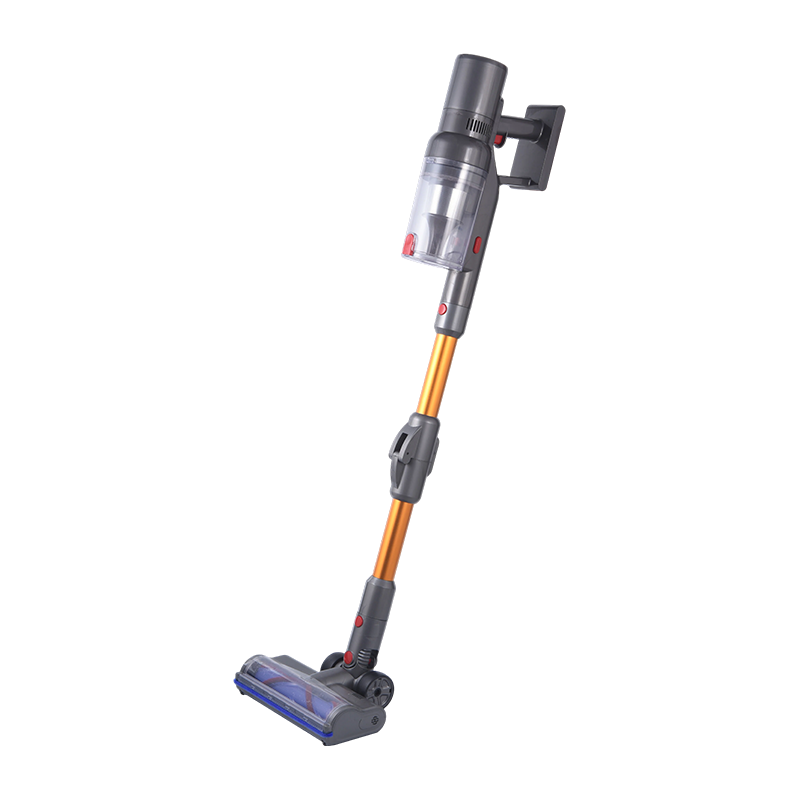
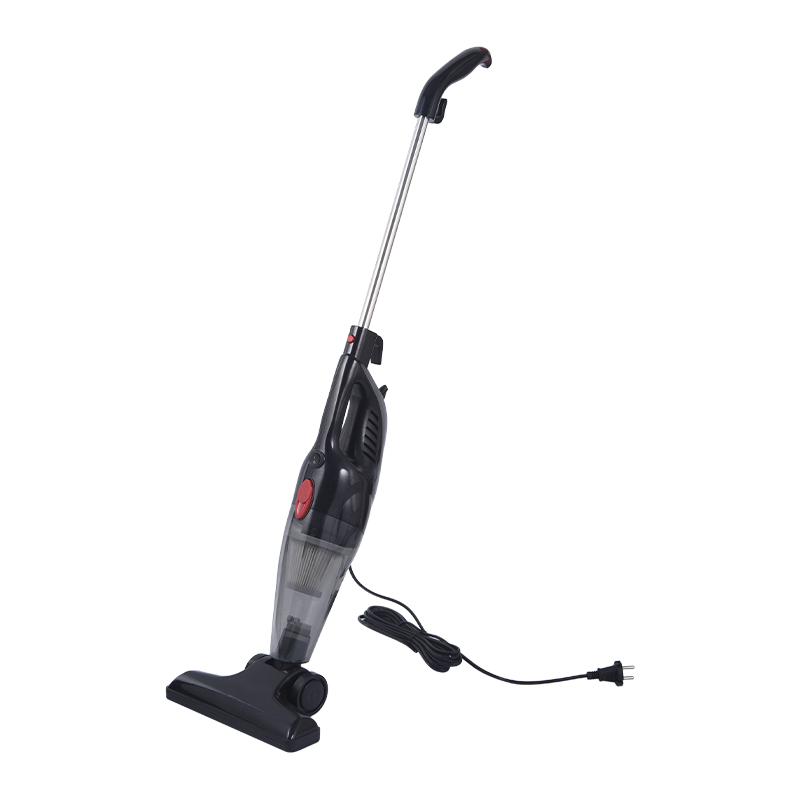
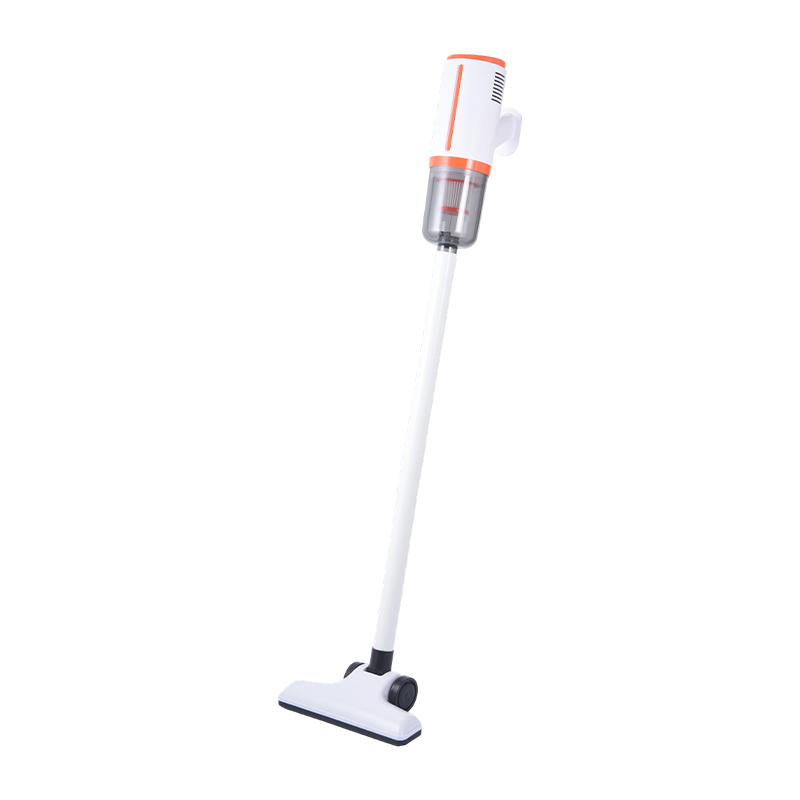
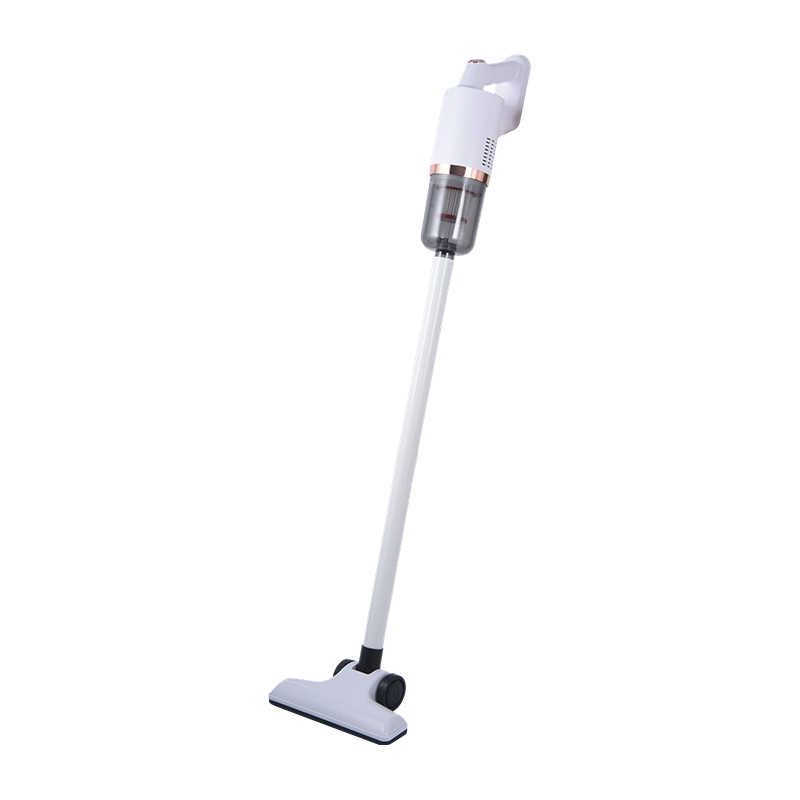
A Rechargeable Handheld Vacuum Cleaner is a practical addition to a home cleaning appliance range when the goal is fast, close-range cleanup of sofas, car seats, stairs, desks and bedding. It is not built to replace a full-size floor cleaner, and buyers who plan around that role tend to write clearer specifications, choose more suitable batteries and attachments, and set more realistic expectations with their own customers.
This guide is written for importers, brand owners, distributors, wholesalers and retail buyers who source a rechargeable handheld vacuum cleaner from a manufacturer or supplier. It explains where the product fits, how its main parts work together, what to look for in battery and filter design, how to compare suppliers on a simple scorecard, and how OEM and ODM projects usually run. Four charts and two tables are included so the comparisons are easy to scan.
What a Rechargeable Handheld Vacuum Cleaner Does Well and Where It Has Limits
The short answer: a rechargeable handheld vacuum cleaner is easiest to understand as a quick-response cleaning tool. It is light enough to pick up with one hand, small enough to hang on a wall hook or sit in a drawer, and ready to use without looking for a power outlet first. Those traits make it useful for the small messes that appear between full cleaning sessions, such as crumbs on a sofa, pet hair on a car seat or dust on a keyboard tray.
For a brand owner, the appeal is also commercial. A home cleaning appliance range often has a gap between large floor machines and small accessories, and a lightweight handheld model fills that gap with a product that is easy to explain on a package and easy to demonstrate in a short video.
Strengths in daily use
- Low weight and a compact body that suits one-handed use.
- Cordless operation, so cleaning can start within seconds.
- Attachments such as crevice tools and soft brushes that reach tight areas.
- Easy storage and a smaller shipping volume than larger cleaner formats.
- A natural fit for secondary rooms, vehicles and small apartments.
Limits worth communicating clearly
- Run time per charge is shorter than with a mains-powered unit.
- The dust container is small, so it needs to be emptied more often.
- Large floors take longer than with a stick or canister design.
- Results depend on battery condition, filter cleanliness and attachment choice.
Being direct about these limits helps. Product pages that describe a handheld vacuum as a companion to a main cleaner tend to set more accurate expectations than pages that imply whole-house performance, and accurate expectations usually mean fewer returns and more useful customer feedback.
Position a rechargeable handheld vacuum cleaner as a fast, close-range companion to a main cleaner, and the specification, packaging and marketing copy become easier to align.
Where a Rechargeable Handheld Vacuum Cleaner Fits Within a Home Cleaning Appliance Range
A well-organized home cleaning appliance range gives each product a clear job. Shoppers who understand the job can choose faster, and retailers can shelve products in a logical order. The table below summarizes the roles that common cleaner formats usually play.
| Typical roles of common cleaning appliance formats in a household range | |||
| Format | Typical Role | Main Strength | Main Limit |
| Rechargeable handheld | Spot and close-range cleaning | Light, compact, quick to start | Smaller dust container, shorter run time per charge |
| Cordless stick | Daily floor and above-floor cleaning | Balance of reach and mobility | Larger body, needs more storage space |
| Corded canister or upright | Full-floor deep cleaning | Continuous power from the outlet | Cord limits movement, heavier to carry |
| Mite remover | Mattresses, pillows and textiles | Brush action designed for fabric | Narrow range of uses |
Why the handheld format keeps its place
Larger cleaners need to be taken out, prepared and put away, and many households skip that effort for small messes. A handheld unit removes most of that friction. When it lives in a visible spot, such as a kitchen wall hook or a car door pocket, it tends to get used for the small jobs that would otherwise wait.
For a wholesaler or distributor, this also affects assortment planning. A handheld model can sit next to a stick cleaner without competing with it, because the buyer is solving a different problem. It also works as an entry product for customers who are not yet ready to buy a larger machine.
Within a home cleaning appliance range, the handheld format complements larger cleaners instead of competing with them.
Format Comparison Chart: Rechargeable Handheld Vacuum Cleaner Versus Other Cleaners
Words can only go so far when comparing cleaner formats, so the radar chart below puts three of them on the same five axes. The scores are an editorial reference scale from 1 to 5 meant to show relative character, not laboratory test results.
The handheld outline reaches furthest on portability, storage space and quick spot cleaning, which are the traits that define a rechargeable handheld vacuum cleaner in everyday use. It sits lower on large-area coverage and continuous run time, and that is a normal trade-off for a compact battery-powered body. The cordless stick forms a more even shape, which explains why it is often chosen as a single main cleaner in smaller homes.
The corded cleaner stretches toward coverage and run time but gives up portability. For a manufacturer such as Cixi Xiaochao, whose range includes household handheld units, car vacuum cleaners and mite removers, the chart shows why a handheld line is usually developed alongside a main cleaner instead of as a substitute for it. Buyers can use the same logic to decide how many handheld variants an assortment needs, for example one general household model and one car-focused model with a longer set of attachments.
A handheld unit shows its value on portability and quick cleaning, so specify and market it on those strengths.
Core Components Inside a Cordless Handheld Vacuum Cleaner
Understanding the parts inside a handheld vacuum makes supplier conversations more productive. Each component affects weight, noise, run time and service life in a different way, so a change to one part usually calls for a check on the others.
Motor and airflow path
The motor and fan generate suction, but what a user feels depends on the whole airflow path: the nozzle opening, the dust container, the filter and the seals between them. A strong motor paired with a restrictive filter or a leaking seal can feel weaker than a modest motor with a clean, well-sealed path. When reviewing samples, ask how the airflow path was tuned instead of relying on a single motor rating.
Battery pack
Rechargeable lithium-ion cells are common in this category, and the pack typically includes a protection circuit that manages charging, discharging and temperature limits. Pack capacity affects run time, but it also affects weight and body size, so the final choice is a balance and not a simple upgrade.
Filtration
Filters capture fine dust before the air leaves the machine. Washable filters reduce the need for replacements, while finer multi-layer filters may suit households that are concerned about dust being released back into the room. Deciding on the filter type early in the project avoids redesign work later.
Dust container and housing
A transparent dust container shows users when it is time to empty it, and a release latch that works with one hand matters on a tool that is held in the other. The housing is usually injection molded plastic, so a factory with its own molding capacity can adjust wall thickness, grip shape and fit tolerances during development. Cixi Xiaochao operates 28 types of injection molding machines, which supports this kind of in-house adjustment.
Attachments
A crevice tool, a soft dusting brush and a wider nozzle cover most household needs. Attachment range is one of the simpler ways to differentiate a handheld model without changing the core platform, which is useful for brand owners who want several product tiers from one tooling base.
Suction performance comes from the whole airflow path, not from the motor alone.
Battery, Charging and Run Time in a Rechargeable Handheld Vacuum Cleaner
Run time is the first number most shoppers look at, yet it is also the easiest to misread. It changes with the power mode, the attachment in use, the state of the filter and the age of the battery, so a single figure on a package describes one set of conditions only.
Many small appliances use cylindrical lithium-ion cells, and the 18650 size is a commonly used format. Cells and packs for portable products are often assessed against safety standards such as IEC 62133-2, and shipping lithium batteries internationally involves transport testing under UN 38.3. Buyers should ask the supplier which of these reports exist for the exact pack used in the model they plan to order.
The next chart explains why two vacuums with similar battery capacity can feel different in use. It is a conceptual illustration of output behavior, not a measured result for any specific model.
The solid blue line represents a design where the control circuit tries to hold output steady for most of the discharge and only falls near the end. The dashed red line represents a design where output follows the falling battery voltage and drifts down gradually. Both can be acceptable for a rechargeable handheld vacuum cleaner, but they feel different when a user is halfway through cleaning a car interior.
For a brand owner, the takeaway is to ask what the control strategy is and to test samples at several charge levels, not only when the pack is full. A lightweight handheld factory that develops its own circuit boards and housings can tune this behavior together with the airflow path. It is also worth agreeing on how run time will be stated on the package, including the mode and attachment used during measurement.
Battery questions to raise with a supplier
- Which cell type and pack configuration are used, and are test reports available for that pack?
- How are charging, over-discharge and temperature limits managed?
- What charging method is planned, such as a USB cable or a dock, and how does it affect user convenience?
- Under which mode and attachment is the stated run time measured?
Judge a battery system by its documentation and by how output behaves across the whole discharge, not by capacity alone.
Home, Car and Mite Removal: Matching a Lightweight Handheld Vacuum to Each Use
A single model rarely suits every scenario equally, and the features that matter change with the place where it is used. The heatmap below shows how strongly four features tend to matter in five common cleaning scenarios, using three simple priority levels.
Car interiors show the darkest row because they combine tight spaces, mixed debris and the need to carry the tool a short distance, so weight, suction and attachments all matter. Bedding sits differently: filtration and the right brush attachment become the leading concerns, which is the territory of a dedicated mite remover. Desk areas place little demand on suction but a lot on light weight and narrow nozzles.
This pattern explains why a product family often includes a general household handheld, a car vacuum cleaner and a mite remover, even when they share a motor and battery platform. Cixi Xiaochao covers all three categories in its cleaning line, which allows a buyer to choose one platform with different housings and accessory sets. The chart is an editorial reading of typical needs, so a buyer should adjust it using feedback from the target market.
Household use
At home, the handheld is used on sofas, stairs, shelves, pet areas and kitchen counters. A mid-size dust container, a soft brush and a crevice tool tend to cover most of these jobs.
Car use
In a vehicle, a longer crevice tool and a cable or charging dock that suits a garage matter more than a large dust container. Compact shape helps with seat gaps and door pockets.
Mite removal and textiles
For mattresses and pillows, brush design and filtration receive the most attention. Claims about specific outcomes should be worded carefully and supported by test data where they are made.
Different scenarios reward different features, so one shared platform with scenario-specific accessories is a practical way to build a handheld range.
How to Choose a Rechargeable Handheld Vacuum Cleaner Manufacturer or Supplier
Choosing a partner is often harder than choosing a product, because the product you receive in production depends on the factory behind the sample. A scorecard helps teams compare suppliers on the same criteria and reduces the risk of deciding on one attractive sample alone. The donut chart below shows a sample weighting that you can adapt to your own project.
The largest share goes to product performance and safety, because a handheld vacuum is a battery-powered electrical product held in the hand. Manufacturing capacity and consistency come next, since a good sample means little if the production line cannot repeat it. OEM and ODM flexibility is weighted at one fifth because most brand projects need custom colors, accessories or packaging.
Certification documents and communication carry smaller shares in this sample, but they often decide how smoothly a launch proceeds. A factory with 8 production lines and in-house molding, like Cixi Xiaochao, can be scored on the capacity criterion with concrete facts, while a trading supplier would need to show which factory actually makes the product. The weights are illustrative, so a buyer entering a regulated market might raise the compliance share and a buyer with a fast-moving retail program might raise communication.
Questions that separate a manufacturer from a reseller
- Does the company run its own injection molding and assembly lines?
- Is a quality management system certificate available, such as ISO9001?
- Can the team show test reports for the exact model, not a similar one?
- How are design changes, sample approvals and production batches documented?
A weighted scorecard turns a supplier decision from a feeling about one sample into a comparison that a whole team can review.
OEM and ODM Rechargeable Handheld Vacuum Cleaner Projects Step by Step
OEM and ODM are the two main routes for a brand that wants its own handheld vacuum. In an OEM project the brand supplies the design and the factory builds it. In an ODM project the factory offers an existing platform that the brand adapts with its own look, accessories and packaging. Many projects land somewhere between the two.
A typical project sequence
- Define the target market, user scenario, battery preference and accessory list.
- Review existing platforms or submit a design brief to the factory.
- Evaluate engineering samples for airflow, noise, weight and handling.
- Confirm materials, color finishes, logo placement and packaging artwork.
- Complete certification and test documents for the target markets.
- Approve a pre-production sample and agree on inspection criteria.
- Start production and check batches against the approved sample.
Common customization options
- Housing color and surface finish, including logo printing or engraving.
- Accessory set, such as crevice tool, brush and wider nozzle.
- Filter type and dust container design.
- Charging method and cable or dock configuration.
- Retail box, manual language and labeling for the destination market.
Most delays in OEM and ODM work come from unclear briefs and late changes, not from the factory floor. Writing a short, specific brief and freezing the key decisions after sample approval keeps the schedule predictable. Cixi Xiaochao works with brand and wholesale customers on both OEM and ODM terms and can provide flexible one-stop production, from components to finished products.
A specific brief and an early decision freeze do more for an OEM or ODM schedule than any single production step.
Quality Control and Certifications for a Rechargeable Handheld Vacuum Cleaner
Certification requirements depend on the destination market and on the exact model, so a general list is only a starting point. The table below explains what each mark or scheme generally covers and why buyers ask for it. Cixi Xiaochao reports that its products have passed GS, CE, ROHS, CB, EMC, LVD, ERP and CCC certifications, and it holds ISO9001 quality management system certification.
| General meaning of common certifications and why buyers request them | ||
| Certification | General Meaning | Why Buyers Ask |
| CE | Conformity marking for the European market | Required for many products sold in Europe |
| LVD | Electrical safety under the Low Voltage Directive | Shows attention to user electrical safety |
| EMC | Electromagnetic compatibility | Limits interference with other devices |
| ROHS | Restriction of certain hazardous substances | Material compliance for electrical products |
| GS | Voluntary safety mark awarded after independent testing | Often valued by retailers in German-speaking markets |
| CB | International scheme for sharing safety test reports | Can support approvals in several countries |
| ERP | Energy-related product requirements in Europe | Relevant to energy and ecodesign rules where they apply |
| CCC | China Compulsory Certification | Relevant to products sold in mainland China |
Quality checks worth agreeing on
- Incoming inspection for motors, battery cells and plastic parts.
- In-line checks for assembly, sealing and switch function.
- Final performance, noise and charging tests on sampled units.
- Packaging and drop checks suited to the shipping route.
Ask for current certificates that show the model number, the test standard and the issue date. A certificate for a different model, even from the same factory, does not automatically apply to the product you are buying.
Request certificates that match the exact model and destination market, and confirm the details with your own compliance advisor.
Adapting a Rechargeable Handheld Vacuum Cleaner for Europe, America, Japan, South Korea and Southeast Asia
A handheld vacuum that sells well in one region may need small changes before it is ready for another. Most of these changes are about documents, accessories and labeling rather than about the core machine, which is why they are best planned during the first design review and not after production has started.
Chargers, plugs and electrical ratings
Charger plug types and input voltage ranges differ between markets, so the charging accessory should be specified for the destination. If the product charges through a USB cable, the buyer should still confirm which adapter, if any, is included in the box and how it is rated.
Manuals, labels and language
Manuals, warning text and rating labels need to be in the local language and follow local rules for symbols and recycling information. Battery-related labeling is an area where rules differ between regions, so the brand owner should confirm requirements with a local compliance adviser before artwork is finalized.
Shipping and packaging
Products with lithium batteries are subject to dangerous goods rules in transport, and carriers may ask for test summaries. Retail packaging should also be tested for the chosen shipping method, particularly for e-commerce parcels that are handled several times before reaching the customer.
Product preferences by market
Market feedback can shape accessory choices and sizing. Smaller homes and compact storage spaces, for example, may favor a slimmer body and a wall-mount option, while buyers focused on vehicles may value a longer crevice tool. Cixi Xiaochao exports to Europe, America, Japan, South Korea and Southeast Asia, and a buyer can use that experience as a starting point for these conversations.
Plan chargers, labels and documents for the destination market during the first design review, not after production begins.
Practical Care Tips That Help a Handheld Vacuum Cleaner Perform Consistently
Good care instructions protect the user experience and reduce avoidable support requests. A short care card in the box or on the product page can cover the points below, and brand owners can adapt the wording to match the specific model and its manual.
- Empty the dust container after each cleaning session, and do not let it fill past the marked level.
- Clean or replace the filter as the manual describes, and let washable filters dry fully before reuse.
- Check the nozzle and brush for tangled hair or thread, which can block airflow.
- Charge with the charger supplied for the product, and avoid charging in very hot or very cold places.
- Keep the machine away from water and liquids unless the manual says the part is washable.
- Store the unit in a dry, cool place, ideally on a wall hook or in a drawer where the nozzle is protected.
These steps are simple, but they affect how people judge a product over time. A rechargeable handheld vacuum cleaner that is easy to empty and clean is more likely to be used regularly, and regular use is what gives customers a reason to recommend it.
A clear, short care card helps customers keep the product performing as designed and reduces avoidable support questions.
About Cixi Xiaochao Electrical Appliance Co.,Ltd.
Cixi Xiaochao Electrical Appliance Co.,Ltd. is rooted in Cixi City, Zhejiang Province, known as the "Capital of Small Household Appliances" in China. With more than two decades of development, the company integrates R&D, manufacturing and sales, and operates as a China cordless vacuum cleaner manufacturer and an OEM and ODM lightweight handheld vacuum factory. Its aim is to provide efficient, convenient and intelligent cleaning solutions and small household appliances for global users.
The company specializes in the R&D, production and sales of portable handheld vacuum cleaners. Its cleaning line covers household vacuum cleaners, car vacuum cleaners, cordless vacuum cleaners, mite removers and multi-functional cleaning devices, and its range extends to table lamps, ultraviolet disinfection lamps, mini fans and other small household appliances for different living scenarios.
The company covers an area of 18,000 square meters and runs 28 types of injection molding machines and 8 modern production lines, which supports independent, large-scale production from components to finished products. It has passed ISO9001 quality management system certification, and its products have passed GS, CE, ROHS, CB, EMC, LVD, ERP and CCC certifications. Products are exported to Europe, America, Japan, South Korea and Southeast Asia.
Guided by the mission of "Innovation-driven, Clean Future", the company follows the principles of lean manufacturing and customer first. Through continuous technical iteration and product innovation, it works to improve the user experience and to build a stronger position in the global cleaning field.
Explore Rechargeable Handheld Vacuum Cleaner Options and OEM Support
Buyers who would like to review the handheld range or discuss OEM and ODM requirements can visit the company website. It helps to prepare the target market, preferred battery type, attachment list and packaging needs before the first inquiry, so the team can respond with relevant options.
Rechargeable Handheld Vacuum Cleaner FAQ
Q1: What is a rechargeable handheld vacuum cleaner mainly used for?
It is mainly used for quick, close-range cleaning of sofas, stairs, desks, car interiors and similar small areas. Because it is light and cordless, it is convenient for small messes between full cleaning sessions, and it works well as a companion to a larger floor cleaner in a home cleaning appliance range.
Q2: What should I ask a rechargeable handheld vacuum cleaner manufacturer before an OEM order?
Ask about in-house molding and assembly capacity, the battery cell and pack documents, available certificates for the exact model, sample approval steps and how batch inspections are recorded. Clear answers on these points make it easier to compare one supplier with another.
Q3: Which certifications are commonly requested for a rechargeable handheld vacuum cleaner?
Buyers often ask about CE, LVD, EMC, ROHS, GS, CB, ERP and CCC, along with a quality management system such as ISO9001. The right set depends on the destination market, so confirm the details for your region with a compliance adviser and request certificates that match the model.
Q4: How long does a rechargeable handheld vacuum cleaner run on one charge?
Run time varies with battery capacity, power mode, attachment, filter condition and battery age, so there is no single figure that fits every model. Ask the supplier to state the mode and attachment used when run time is measured, and test samples at different charge levels.