 English
 Español
 عربى
عربىRechargeable Handheld Vacuum Cleaners Are Now A Core Category Within Home Cleaning Appliances
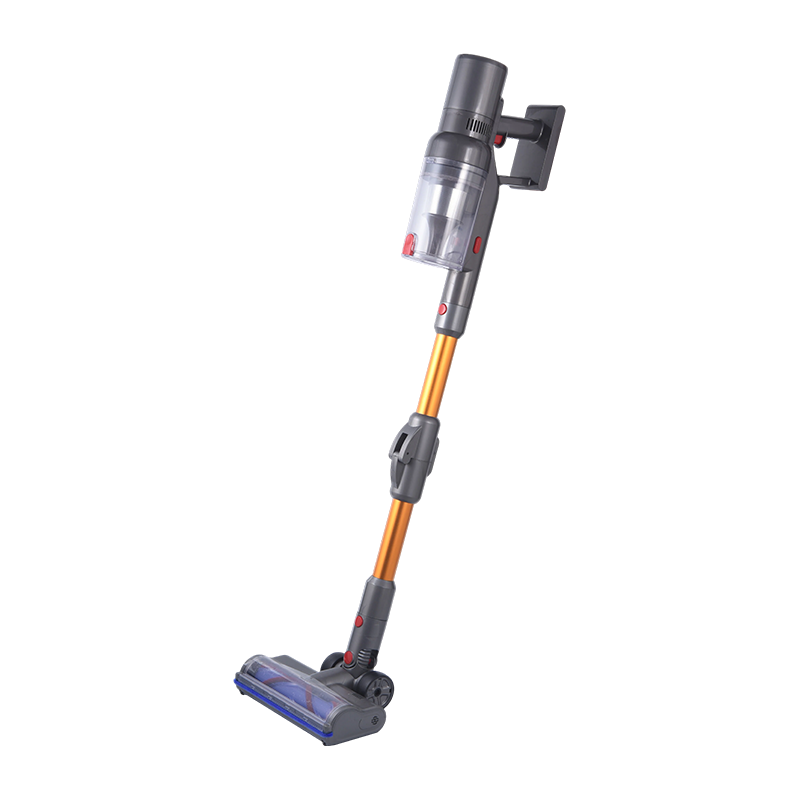
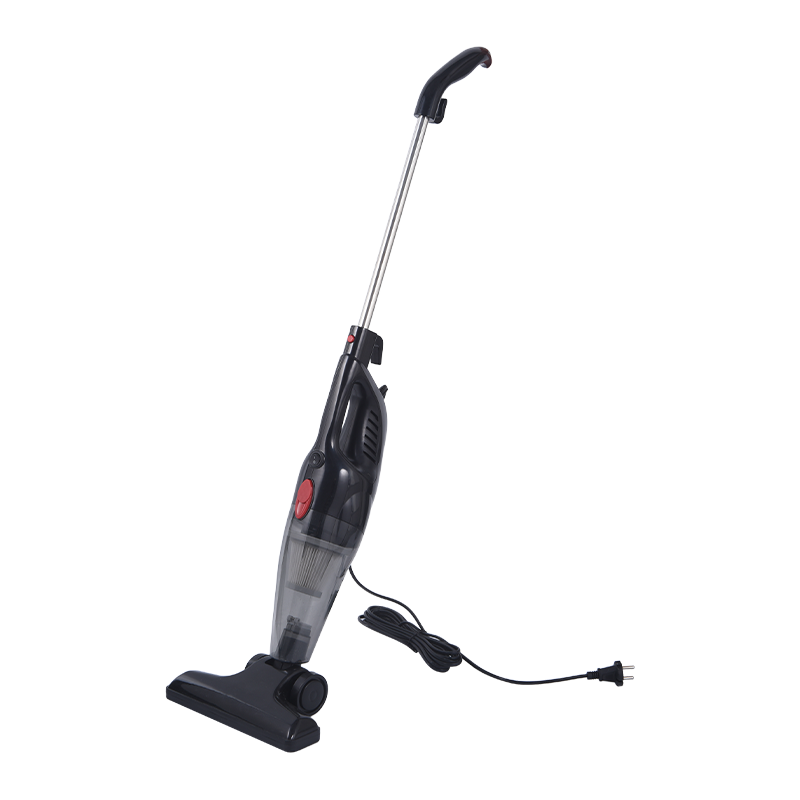
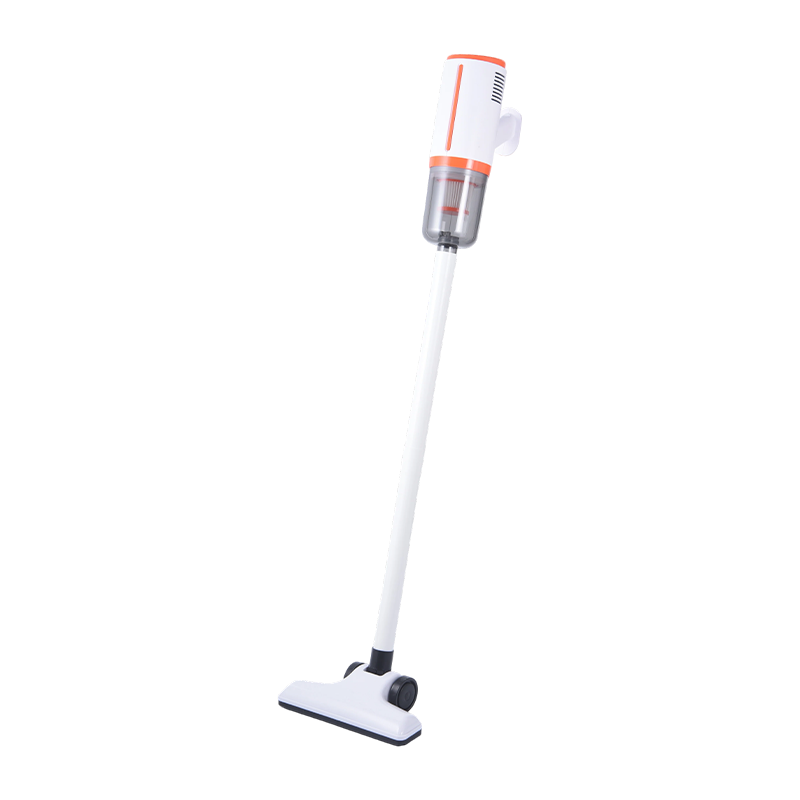
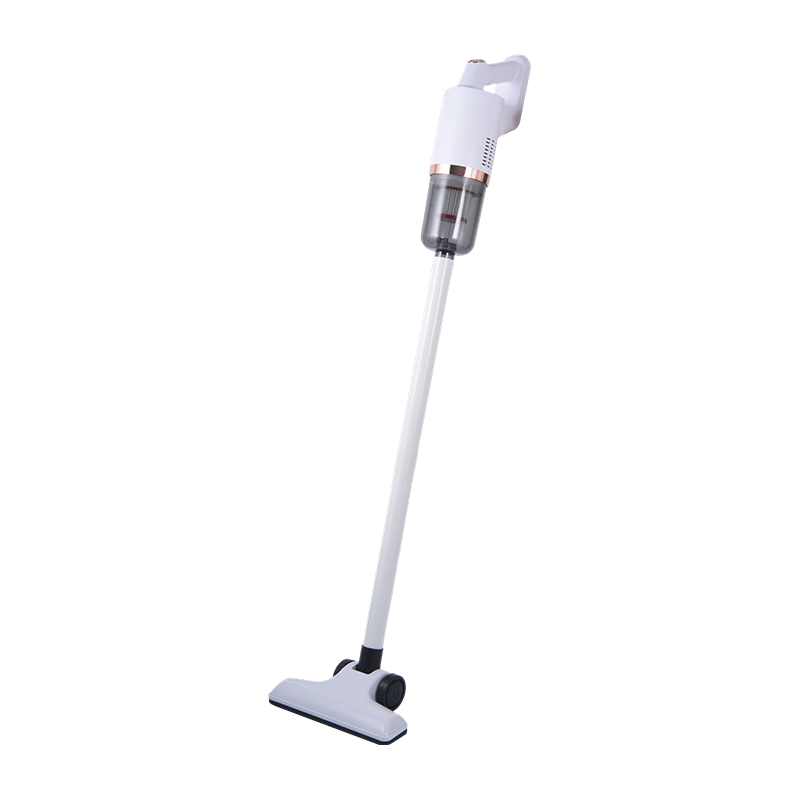
A rechargeable handheld vacuum cleaner works as a compact, cordless cleaning tool that draws power from an internal battery rather than a wall outlet, making it a practical addition to a modern home cleaning appliance lineup for spot cleaning, car interiors, and hard to reach areas. This format has grown alongside broader cordless vacuum cleaner and stick vacuum categories because it removes the constraint of a power cord while remaining light enough to hold and maneuver with one hand. Within a household appliance environment, a handheld unit typically complements rather than replaces a larger household vacuum cleaner, filling the gap for quick cleanups, upholstery, stairs, and vehicle interiors where a full size machine is less convenient. The defining characteristics of this category are portability, rechargeable battery operation, and a compact form factor suited to targeted cleaning tasks rather than whole home floor cleaning. The sections that follow look at how these units compare with other cleaning formats, what drives battery and suction performance, and where this product category fits within a broader home cleaning appliance and small household appliance lineup.
How Rechargeable Handheld Vacuum Cleaners Fit Within A Home Cleaning Appliance Lineup
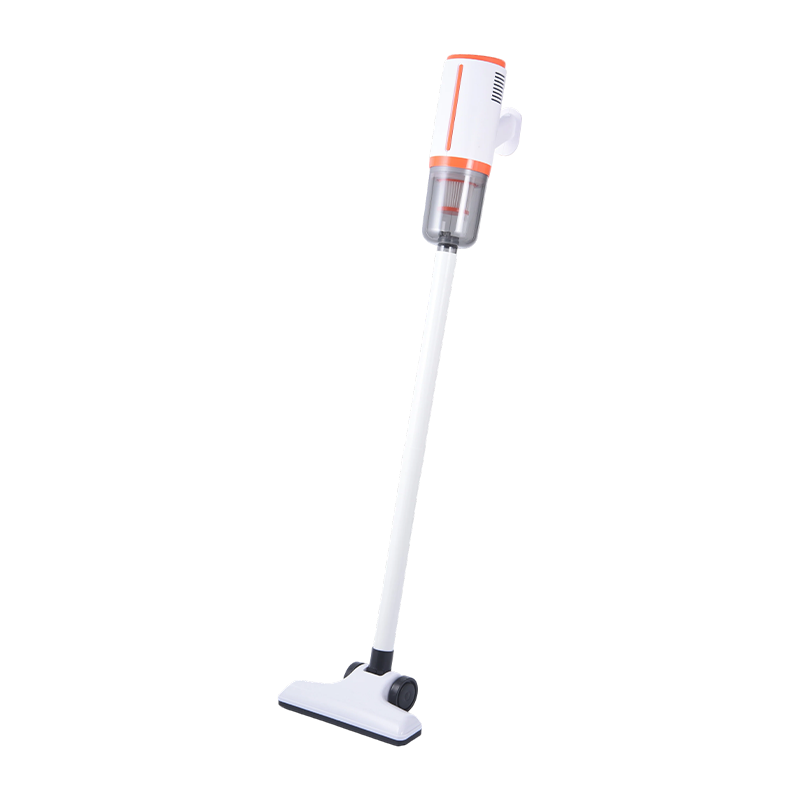
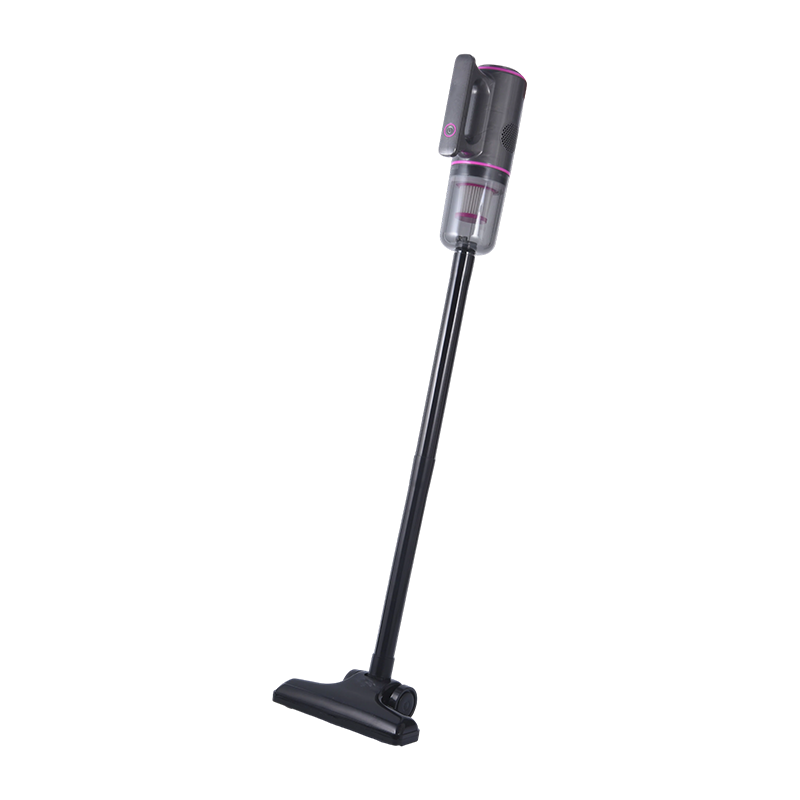
A rechargeable handheld vacuum cleaner is generally built around three core components, a rechargeable battery pack, a motor and impeller that generate suction, and a dust cup or filter chamber that collects debris before it is emptied. Because the entire unit runs on stored battery power, manufacturers focus on balancing motor efficiency against battery size, since a larger battery extends runtime but also adds weight, which can reduce comfort during extended one handed use. Home cleaning appliance lines that include a handheld vacuum cleaner alongside a cordless stick vacuum, a car vacuum cleaner, and a mite remover generally aim to cover the full range of everyday cleaning scenarios a household might encounter, from floors and carpets to mattresses, upholstery, and vehicle interiors. Many manufacturers also design shared battery platforms or attachment systems across a family of small household appliances, which can simplify manufacturing and allow accessories to be reused across a broader home cleaning appliance range. A well designed rechargeable handheld vacuum cleaner is judged primarily on the balance it strikes between suction performance, battery runtime, weight, and the practical range of attachments provided for different surfaces.
Typical Core Components
- Rechargeable battery pack, commonly lithium based, providing cordless operation.
- Motor and impeller assembly generating suction airflow.
- Dust cup or bagless collection chamber for captured debris.
- Filter stage, such as a cyclone or HEPA style filter, to separate fine particles.
- Interchangeable nozzle and brush attachments for different surfaces.
Comparing Handheld Vacuum Cleaners Cordless Stick Vacuums And Car Vacuum Cleaners
Handheld vacuum cleaners, cordless stick vacuums, and car vacuum cleaners overlap in basic technology but are generally optimized for different cleaning scenarios within a broader home cleaning appliance category. A handheld unit prioritizes compact size and one handed operation, making it well suited to upholstery, stairs, and small spills, while a cordless stick vacuum trades some portability for a longer body and larger dust cup that supports broader floor coverage across a household. Car vacuum cleaners are typically a specialized variant of the handheld format, often including a longer power cord option or a smaller, more rigid body designed to reach under seats and into narrow gaps inside a vehicle interior. Choosing among these formats generally depends on the primary cleaning task, since a household that needs both whole floor cleaning and quick spot cleaning often benefits from owning more than one format rather than relying on a single all purpose unit. The table below summarizes general characteristics across these three common formats.
| Format | Typical Weight Range | Primary Use Case | Common Attachments |
|---|---|---|---|
| Rechargeable Handheld Vacuum Cleaner | Light | Upholstery, stairs, quick spot cleaning | Crevice tool, brush nozzle |
| Cordless Stick Vacuum Cleaner | Moderate | Whole home floor cleaning | Floor head, mattress tool, extension wand |
| Car Vacuum Cleaner | Light | Vehicle interior cleaning | Narrow nozzle, flexible hose attachment |
Battery Capacity And Runtime Considerations
Runtime on a rechargeable handheld vacuum cleaner is largely determined by battery capacity, motor power draw, and the suction mode selected during use, with higher suction settings generally reducing available runtime compared with a lower power eco mode. Manufacturers typically publish runtime figures for their lowest power setting, since maximum suction mode draws considerably more current from the battery and shortens available cleaning time per charge. Because a handheld unit is generally used for short, targeted cleaning sessions rather than continuous whole home cleaning, most rechargeable handheld vacuum cleaners are designed with battery packs sized for these shorter use cycles rather than for extended continuous operation. Battery chemistry also plays a role in overall performance, with lithium based battery packs generally offering a better balance of weight and energy density compared with older battery chemistries used in earlier cordless cleaning appliances. The chart below presents an illustrative relationship between battery capacity and runtime rather than a certified test result for any specific product.
This bar chart presents an illustrative relationship between battery capacity class and typical runtime at a lower power setting, rather than a certified test result for a specific product line. Entry level battery packs generally offer the shortest runtime, which is often sufficient for quick spot cleaning tasks around a single room or vehicle interior. Standard capacity packs extend usable runtime somewhat, supporting a broader single session cleaning task such as a full car interior or several rooms of light floor cleaning. Extended and high capacity battery packs offer the longest illustrative runtime shown here, which can support more thorough cleaning sessions without needing to recharge midway through the task. Actual runtime always depends on the suction mode selected, the condition of the battery over its service life, and the specific motor and battery pairing used in a given rechargeable handheld vacuum cleaner model. Buyers comparing runtime figures should check whether published numbers reflect the lowest or highest suction setting, since this can significantly change the practical cleaning time available per charge.
Suction Performance And Filtration Across Cleaning Formats
Suction performance in a rechargeable handheld vacuum cleaner depends on motor design, airflow path efficiency, and how well the filtration stage manages fine dust without excessively restricting airflow as the dust cup fills. A cyclone style separation stage helps maintain suction consistency by spinning larger debris out of the airflow before it reaches the filter, which can reduce how quickly a standard filter becomes clogged during a single cleaning session. Filtration is also closely tied to the mite remover category within home cleaning appliances, since effective capture of fine allergens and dust mite debris depends on both suction strength and a filter stage capable of retaining very small particles. A balanced design generally maintains strong initial suction while limiting the rate at which airflow drops as the dust cup and filter accumulate debris during use. The radar chart below compares general performance characteristics across a handheld vacuum cleaner, a cordless stick vacuum, and a dedicated mite remover.
This radar chart illustrates general practical tradeoffs between a rechargeable handheld vacuum cleaner and a dedicated mite remover across five factors relevant to everyday home cleaning appliance selection. Handheld vacuum cleaners generally score higher on portability and floor coverage relative to a dedicated mite remover, since they are designed for a broader range of surfaces beyond bedding and upholstery. A dedicated mite remover typically emphasizes filtration fineness and often includes features such as UV exposure or heated airflow aimed specifically at bedding hygiene, which can shift its performance profile compared with a general purpose handheld unit. Suction power and runtime vary by specific model in both categories, so the illustrative values shown here represent general tendencies rather than fixed specifications. Households that use both bedding focused cleaning and general surface cleaning often benefit from owning a general purpose handheld vacuum cleaner alongside a dedicated mite remover rather than expecting a single unit to fully cover both use cases. As with earlier charts, exact performance depends on the specific model and should be confirmed against the manufacturer specification sheet.
Dust Cup Capacity Trends Across Common Product Sizes
Dust cup capacity in rechargeable handheld vacuum cleaners generally scales with the overall size and intended use case of the unit, with compact car vacuum cleaners typically carrying smaller cups than larger household focused handheld models. A larger dust cup reduces how often a user needs to stop and empty the unit during a cleaning session, which becomes more relevant for larger households or vehicles with heavier debris accumulation. However, a larger dust cup also adds weight and bulk to the unit, which can reduce comfort during extended one handed use, so manufacturers generally balance cup size against the compact, portable nature that defines this product category. Compact car vacuum cleaners tend to prioritize small size and easy storage in a vehicle over maximum dust cup capacity, while household oriented handheld units often accept a modest increase in size to support longer cleaning sessions. The chart below presents an illustrative trend in relative dust cup capacity across common product size classes.
This area chart shows a general upward trend in relative dust cup capacity as product size class moves from a mini car vacuum cleaner through a full size cordless stick vacuum. Mini and compact car vacuum cleaners sit at the lower end of this illustrative trend because they are designed primarily for quick interior cleanups where frequent emptying is less of a concern given the smaller area being cleaned. Standard and large handheld vacuum cleaners occupy the middle of the range, reflecting their broader use across household surfaces where a moderate increase in capacity supports longer cleaning sessions. Compact and full size stick vacuums sit at the higher end of this trend, consistent with their role in covering larger floor areas across an entire home in a single session. This general pattern reflects a common design tradeoff in home cleaning appliances, where dust cup capacity is scaled to match the expected cleaning area and session length for each product format. Buyers should weigh dust cup capacity against weight and portability needs rather than selecting based on capacity alone.
Multi Functional Cleaning Devices And Related Small Household Appliances
Many home cleaning appliance manufacturers extend their rechargeable handheld vacuum cleaner line into a broader family of multi functional cleaning devices, including mite removers, cordless vacuum cleaners with interchangeable heads, and combination units that pair suction with brush agitation for upholstery and mattress cleaning. This approach allows a single battery platform or motor design to support several related products, which can simplify manufacturing while giving customers a consistent user experience across different cleaning tasks. Beyond core cleaning products, some manufacturers in this space also produce complementary small household appliances such as table lamps, ultraviolet disinfection lamps, and mini fans, reflecting a broader small household appliance manufacturing capability rather than a narrow single product focus. A manufacturer capable of producing this range of small household appliances alongside its core cleaning product line generally benefits from shared injection molding, assembly, and quality control processes across product families. The list below summarizes common categories found within this type of expanded home cleaning appliance and small household appliance lineup.
- Rechargeable handheld vacuum cleaners for general household spot cleaning.
- Cordless vacuum cleaners with interchangeable floor and upholstery heads.
- Car vacuum cleaners designed for vehicle interior cleaning.
- Mite removers focused on bedding and upholstery hygiene.
- Complementary small household appliances such as table lamps, disinfection lamps, and mini fans.
Manufacturing Standards And Quality Certifications
Quality and safety certifications play an important role in the home cleaning appliance category, since a rechargeable handheld vacuum cleaner combines a battery, motor, and electrical components that must meet recognized safety and performance standards before reaching consumers in different markets. Common certifications relevant to this product category include GS, CE, ROHS, CB, EMC, LVD, ERP, and CCC, each addressing different aspects of electrical safety, environmental compliance, or market access requirements across regions such as Europe and other international markets. A manufacturer that maintains an ISO9001 quality management system alongside these product level certifications generally demonstrates a structured approach to production consistency, from incoming component inspection through final product testing. Certifications alone do not guarantee performance in every use case, but they provide a documented baseline of electrical safety and manufacturing process control that buyers and retailers commonly rely on when evaluating a home cleaning appliance supplier. Consistent certification coverage across a product line is often a useful indicator of a manufacturer's overall quality management maturity.
About Cixi Xiaochao Electrical Appliance Co Ltd
Cixi Xiaochao Electrical Appliance Co., Ltd., rooted in Cixi City, Zhejiang Province, known as the capital of small household appliances in China, is a comprehensive household appliance manufacturer with over two decades of development history, integrating research and development, manufacturing, and sales. The company operates as a China Home Cleaning Appliancem Supplier and an OEM and ODM rechargeable handheld vacuum cleaner factory, focused on providing efficient, convenient, and intelligent cleaning solutions and small household appliances for users around the world. The company's cleaning product line covers household vacuum cleaners, car vacuum cleaners, cordless vacuum cleaners, mite removers, and various multi functional cleaning devices, with the product range also extending to table lamps, ultraviolet disinfection lamps, mini fans, and other small household appliances. The company covers an area of 18,000 square meters, equipped with 28 types of injection molding machines and 8 modern production lines, supporting independent, large scale production from components through finished products, along with professional OEM and ODM cooperation capabilities for flexible one stop production solutions. Having passed ISO9001 quality management system certification and product certifications including GS, CE, ROHS, CB, EMC, LVD, ERP, and CCC, the company exports its products to markets including Europe, America, Japan, South Korea, and Southeast Asia, guided by a mission the company describes as innovation driven and focused on a cleaner future.
Frequently Asked Questions
Q1: What is a rechargeable handheld vacuum cleaner used for.
A1: A rechargeable handheld vacuum cleaner is generally used for quick spot cleaning tasks such as upholstery, stairs, small spills, and vehicle interiors, complementing rather than replacing a larger household vacuum cleaner.
Q2: How long does the battery in a handheld vacuum cleaner typically last per charge.
A2: Runtime depends on battery capacity and the suction mode selected, with lower power settings generally providing longer runtime than maximum suction mode on the same unit.
Q3: What is the difference between a handheld vacuum cleaner and a mite remover.
A3: A handheld vacuum cleaner is designed for general surface cleaning across a range of areas, while a mite remover is typically focused on bedding and upholstery hygiene and may include features such as UV exposure or heated airflow.
Q4: Can a car vacuum cleaner also be used inside the home.
A4: Many car vacuum cleaners can be used for general household spot cleaning as well, though their compact size and smaller dust cup are primarily optimized for vehicle interior cleaning.
Q5: What certifications are relevant when evaluating a home cleaning appliance.
A5: Common relevant certifications include GS, CE, ROHS, CB, EMC, LVD, ERP, and CCC, alongside an ISO9001 quality management system at the manufacturer level.
Q6: Does a larger dust cup always mean better performance.
A6: Not necessarily, since a larger dust cup adds weight and bulk, so manufacturers generally balance capacity against portability depending on the intended use case of the unit.