 English
 Español
 عربى
عربىHousehold Vacuum Cleaner Manufacturer
Household vacuum cleaners are indispensable cleaning tools in modern homes, designed to efficiently and conveniently remove dust, allergens, pet hair, and debris from floors, carpets, furniture, and even hard to reach crevices. With technological advancements, their forms and functions have become increasingly diverse, ranging from traditional powerful corded upright and canister vacuums to lightweight, flexible cordless handheld models and intelligent, autonomous robotic vacuum cleaners, providing comprehensive solutions for different family structures, living spaces, and cleaning habits. Whether the priority is powerful suction for deep cleaning, the flexibility and convenience of a cordless design, or the ease of intelligent navigation, a suitable household vacuum cleaner can meaningfully improve cleaning efficiency, reduce workload, and support better indoor air quality. Within the broader household cleaning appliance category, the household vacuum cleaner remains the core product that most families rely on first, with a home handheld vacuum cleaner typically serving as a practical companion for quick, targeted cleaning tasks. The sections below look at how these vacuum cleaner formats compare, what drives their performance, and where a home handheld vacuum cleaner fits within a complete household cleaning appliance lineup.
What Makes Up A Modern Household Cleaning Appliance Lineup
A modern household cleaning appliance lineup generally spans several vacuum cleaner formats built around the same underlying goal, removing dust, debris, and allergens from different surfaces around the home. Corded upright and canister household vacuum cleaners remain a common choice for deep, thorough floor cleaning, since a continuous power supply allows for sustained high suction without the runtime limits of a battery. Cordless stick vacuum cleaners and home handheld vacuum cleaner models trade some of that continuous power for portability, letting users move quickly between rooms, furniture, and vehicle interiors without managing a cord. Robotic vacuum cleaners add a further layer of convenience through autonomous navigation, handling routine floor maintenance with minimal direct user involvement between scheduled cleaning cycles. Most households benefit from combining at least two of these formats, typically a primary household vacuum cleaner for whole home floor cleaning alongside a home handheld vacuum cleaner for quick spot cleaning tasks. Understanding how these formats differ helps buyers match a household cleaning appliance purchase to their actual living space and cleaning habits rather than choosing based on a single feature alone.
Common Household Vacuum Cleaner Formats
- Corded upright vacuum cleaners built for sustained deep floor cleaning.
- Cordless stick vacuum cleaners for flexible, room to room cleaning.
- Home handheld vacuum cleaners for upholstery, stairs, and quick spot cleaning.
- Car vacuum cleaners adapted for vehicle interior use.
- Robotic vacuum cleaners for scheduled, autonomous floor maintenance.
Comparing Household Vacuum Cleaner Formats Across Practical Factors
Choosing among corded upright, cordless stick, home handheld, and robotic vacuum cleaner formats generally comes down to weighing suction power, portability, runtime, and how much direct user involvement is expected during cleaning. Corded household vacuum cleaners typically offer the most consistent suction since they are not limited by battery capacity, making them well suited to households with heavier carpeting or larger floor areas that require sustained cleaning sessions. Home handheld vacuum cleaner models prioritize portability and quick access, which makes them a practical fit for upholstery, stairs, and situations where a full size vacuum cleaner would be inconvenient to bring out for a small task. Robotic vacuum cleaners emphasize convenience through scheduled autonomous operation, though they generally work best as a supplement to periodic deeper cleaning with a corded or cordless stick vacuum cleaner rather than as a complete replacement. The table below summarizes general characteristics across these common household vacuum cleaner formats to help match format choice to specific household needs.
| Format | Power Source | Primary Use Case | User Involvement |
|---|---|---|---|
| Corded Upright Household Vacuum Cleaner | Mains Power Cord | Whole home deep floor cleaning | Direct, continuous |
| Cordless Stick Vacuum Cleaner | Rechargeable Battery | Flexible room to room floor cleaning | Direct, session based |
| Home Handheld Vacuum Cleaner | Rechargeable Battery or Cord | Upholstery, stairs, quick spot cleaning | Direct, short sessions |
| Robotic Vacuum Cleaner | Rechargeable Battery | Routine autonomous floor maintenance | Minimal, scheduled |
Suction Power And Motor Technology Across Household Vacuum Cleaner Types
Suction power in a household vacuum cleaner depends primarily on motor design, airflow path efficiency, and how effectively the filtration stage manages fine dust without excessively restricting airflow as the dust cup fills. Corded upright and canister vacuum cleaners generally support larger, more powerful motors since they draw continuous power directly from the mains supply, which typically allows for stronger sustained suction compared with battery powered formats. Cordless stick vacuum cleaners and home handheld vacuum cleaner models must balance motor power against battery drain, since higher suction settings reduce available runtime more quickly on a fixed battery capacity. Many current household vacuum cleaner designs use a cyclone style separation stage to maintain suction consistency by spinning larger debris out of the airflow before it reaches the filter, reducing how quickly suction drops as the dust cup fills. The chart below presents an illustrative comparison of relative suction power across common household vacuum cleaner formats.
This bar chart presents an illustrative comparison of relative suction power across four common household vacuum cleaner formats, based on general design tendencies rather than a certified test result for any specific product. Corded upright vacuum cleaners generally sit at the higher end of this illustrative scale, reflecting their access to continuous mains power and typically larger motor assemblies. Cordless stick vacuum cleaners occupy a moderate to high position, since modern battery and motor pairings have narrowed the gap with corded formats for many typical cleaning tasks. Home handheld vacuum cleaner models sit at a moderate level in this illustration, consistent with their focus on portability and shorter cleaning sessions rather than sustained deep cleaning power. Robotic vacuum cleaners generally occupy the lower end of this illustrative scale, which is balanced by their advantage in scheduled, autonomous operation rather than raw suction strength. Buyers should treat this chart as a general orientation tool and confirm actual suction specifications against the manufacturer data sheet for any specific household vacuum cleaner model under consideration.
Battery Runtime Trends In Cordless And Handheld Vacuum Cleaners
Battery runtime in cordless stick vacuum cleaners and home handheld vacuum cleaner models has generally trended upward over recent product generations as battery energy density and motor efficiency have both improved. Earlier cordless household vacuum cleaner generations often provided relatively short runtime at full power, which limited their use to smaller living spaces or shorter cleaning sessions before requiring a recharge. More recent generations generally offer longer runtime at comparable suction settings, supporting broader floor coverage or longer handheld cleaning sessions on a single charge. This trend reflects a combination of improved battery chemistry and more efficient motor and airflow design rather than a change in battery size alone, since simply enlarging the battery would also increase the weight of the unit. The chart below presents an illustrative runtime trend across recent household vacuum cleaner product generations rather than a certified specification for any single product line.
The chart shows a general upward trend in relative runtime across successive cordless and handheld vacuum cleaner product generations, reflecting steady improvement in battery and motor efficiency over time. Earlier generations sit toward the lower end of this illustrative trend, consistent with the shorter runtime typically associated with earlier battery technology used in cordless household cleaning appliances. The middle generations show a steady increase, suggesting incremental improvements in energy density and motor efficiency rather than a single dramatic technology shift. The most recent generations shown here sit toward the higher end of the trend, consistent with current cordless stick vacuum cleaner and home handheld vacuum cleaner models generally supporting longer cleaning sessions per charge than earlier equivalents. This general pattern is one reason buyers comparing cordless household vacuum cleaner options are often encouraged to check the specific product generation and published runtime figures rather than assuming all cordless models perform similarly. As with the earlier chart, these values are illustrative and intended to show a general industry trend rather than certified data for a specific product.
Recent Household Vacuum Cleaner Product Line Additions
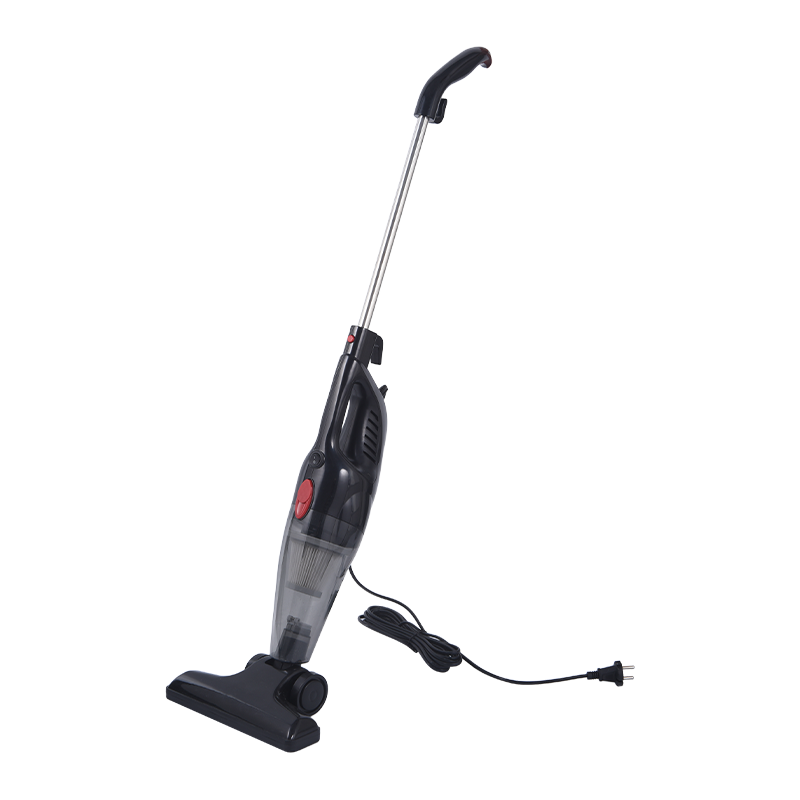
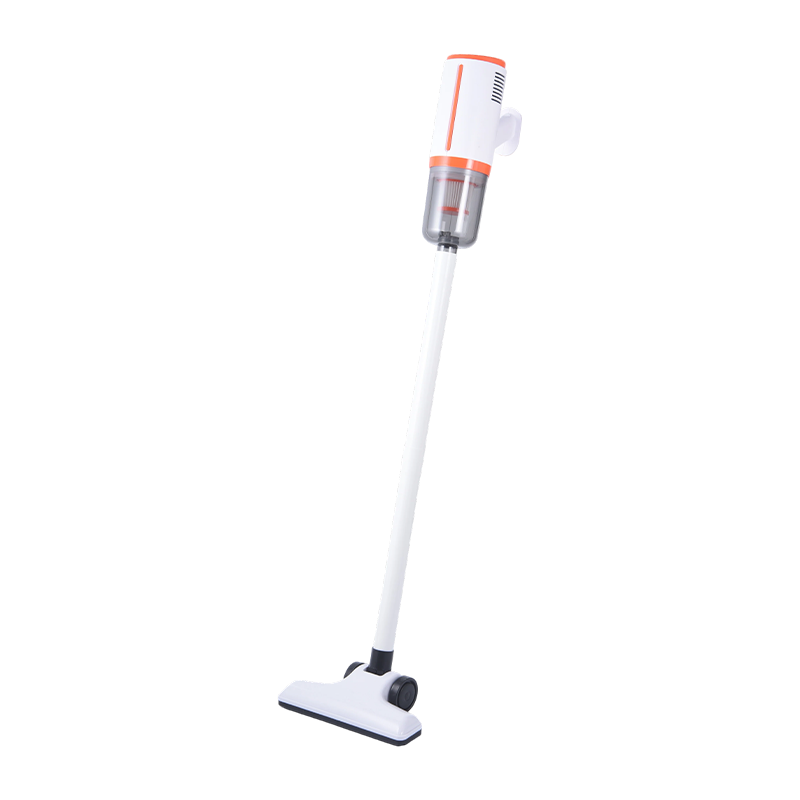
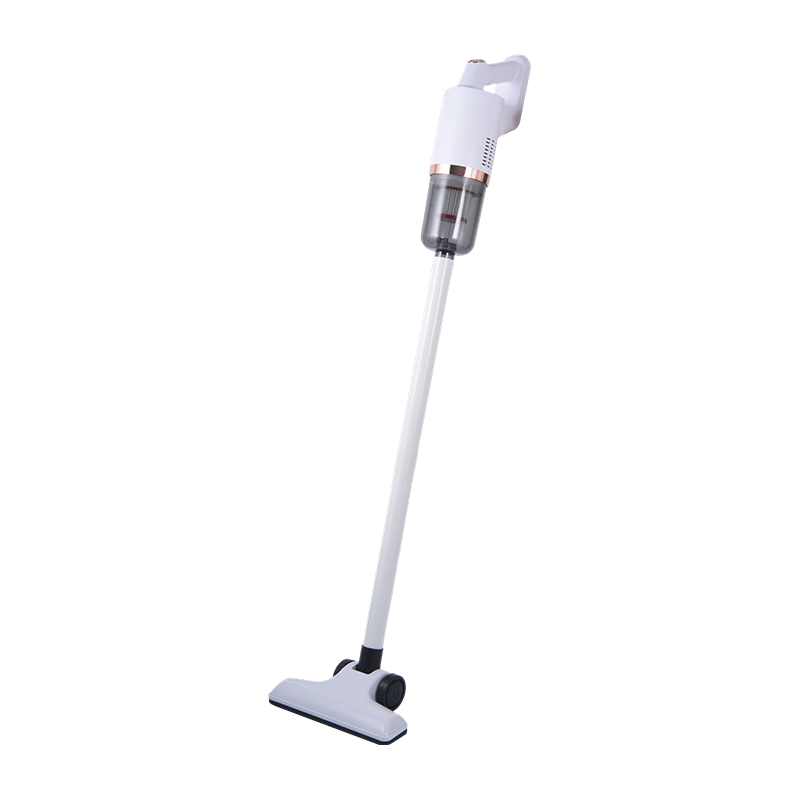
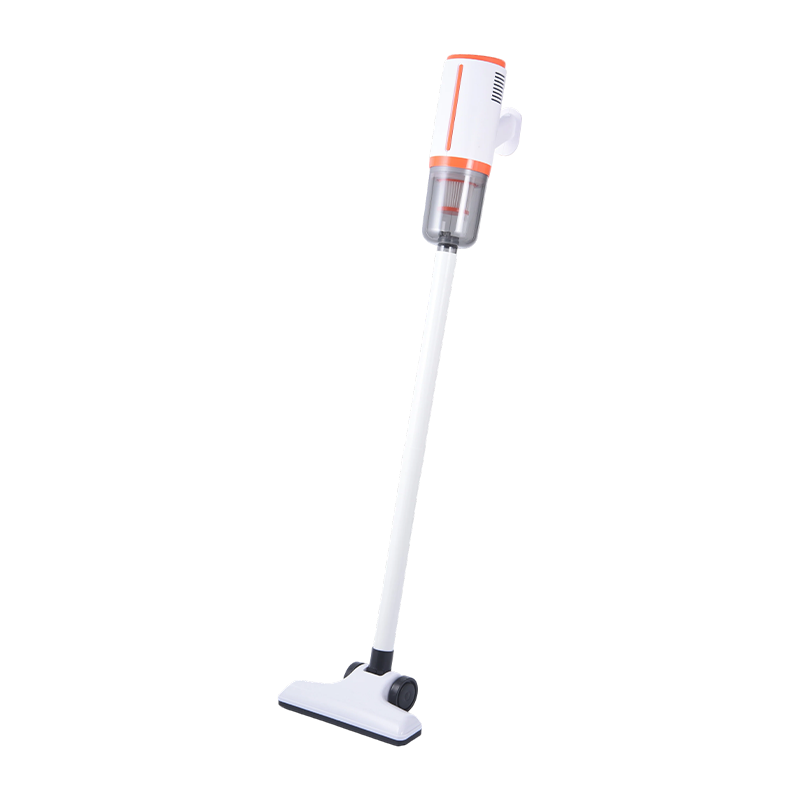
Manufacturers of household cleaning appliances regularly expand their household vacuum cleaner and home handheld vacuum cleaner offerings to cover a broader range of household needs, from simple corded stick vacuum cleaners to minimalist, portable cordless handheld models. A recent household vacuum cleaner product lineup, shown below, illustrates how a single manufacturer can offer several related formats within the same general product family, including a traditional corded household handheld stick vacuum cleaner and a series of minimalist white portable cordless handheld household vacuum cleaner models. Offering several closely related household vacuum cleaner variants within one product family allows a manufacturer to address different preferences around cord versus cordless operation while maintaining a consistent design language and quality standard across the range. Models such as these are commonly featured in a manufacturer product catalog as a way to demonstrate the practical range available within a single household cleaning appliance line.
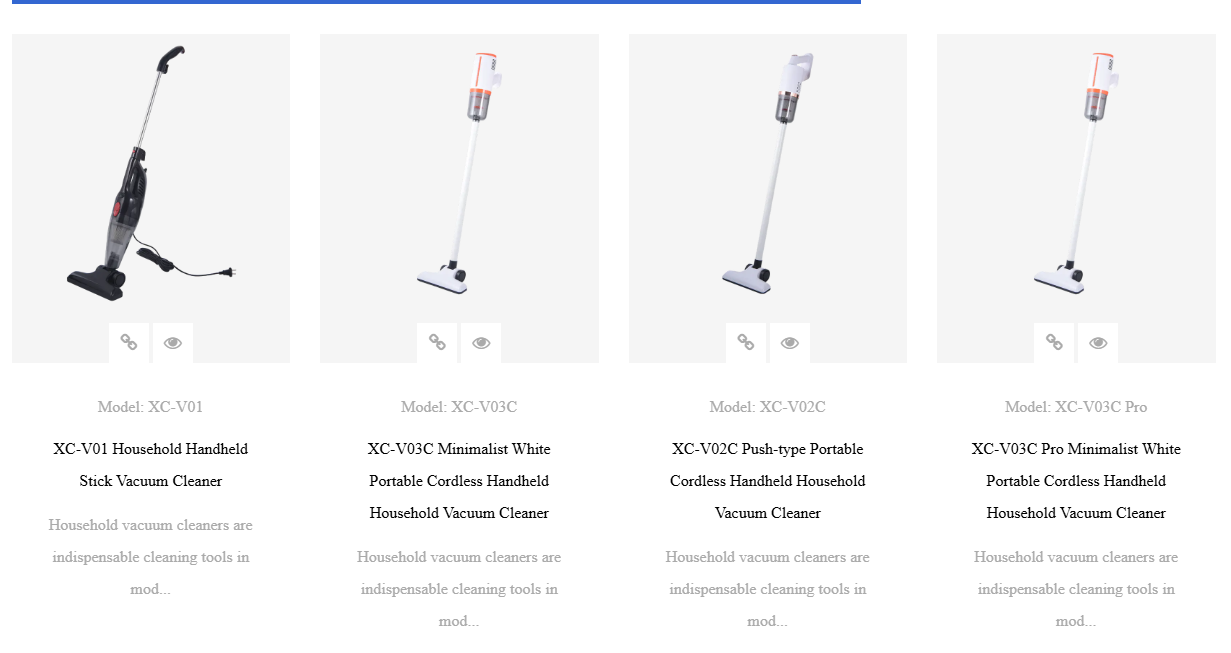
The product lineup pictured above includes a household handheld stick vacuum cleaner with a traditional corded design, alongside several minimalist white portable cordless handheld household vacuum cleaner models built around a similar upright stick form factor. Each model in this type of lineup typically shares a common overall shape, a slim stick body paired with a floor nozzle, while differing in details such as cord versus cordless operation and minor body finish variations between individual model numbers. This kind of grouped presentation is a common way for a household vacuum cleaner manufacturer to show how a household cleaning appliance range can serve slightly different preferences, such as households that prefer a simple corded model for consistent power against those who prefer the flexibility of a cordless handheld design. Presenting a clear, labeled product lineup like this also helps buyers quickly compare model differences within a single household vacuum cleaner family before narrowing down to a specific unit that matches their cleaning habits.
Isometric Structure View Of A Home Handheld Vacuum Cleaner
The isometric diagram below outlines the general structure of a home handheld vacuum cleaner, showing the motor and battery housing, the transparent dust cup used to collect debris, and the nozzle and brush head used to agitate and lift dust from surfaces. The upper housing typically contains the motor and, in cordless models, the rechargeable battery pack, which together generate the suction airflow that pulls debris into the unit. The dust cup sits between the motor housing and the nozzle, allowing captured debris to be visually checked and emptied without disassembling the entire unit. The nozzle and brush head at the front of the unit are shaped to make close contact with floors, upholstery, or crevices, helping direct airflow efficiently toward the surface being cleaned. Viewing the unit in this simplified three dimensional form helps clarify how the motor, dust cup, and nozzle work together as three distinct but connected functional sections within the same home handheld vacuum cleaner.
This isometric SVG illustration is a simplified representation intended to communicate function rather than to serve as a manufacturing drawing. The upper section shown in dark blue represents the motor housing, where the suction generating components are located along with any battery pack in a cordless model. The lighter, semi transparent section in the middle represents the dust cup, shown here in a lighter tone to suggest the transparent or translucent material commonly used so users can check fill level. The lower red toned section represents the nozzle and brush head area, which makes direct contact with the surface being cleaned. Actual product drawings, dimensions, and internal component layouts should always be confirmed against the current specification sheet for the specific home handheld vacuum cleaner model being referenced.
About Cixi Xiaochao Electrical Appliance Co Ltd
Cixi Xiaochao Electrical Appliance Co., Ltd., rooted in Cixi City, Zhejiang Province, known as the capital of small household appliances in China, is a comprehensive household appliance manufacturer with over two decades of development history, integrating research and development, manufacturing, and sales. The company operates as a China household cleaning appliance supplier and an OEM and ODM rechargeable handheld vacuum cleaner factory, focused on providing efficient, convenient, and intelligent cleaning solutions and small household appliances for users around the world. The company's cleaning product line covers household vacuum cleaners, car vacuum cleaners, cordless vacuum cleaners, mite removers, and various multi functional cleaning devices, with the product range also extending to table lamps, ultraviolet disinfection lamps, mini fans, and other small household appliances. The company covers an area of 18,000 square meters, equipped with 28 types of injection molding machines and 8 modern production lines, supporting independent, large scale production from components through finished products, along with professional OEM and ODM cooperation capabilities for flexible one stop production solutions. Having passed ISO9001 quality management system certification and product certifications including GS, CE, ROHS, CB, EMC, LVD, ERP, and CCC, the company exports its products to markets including Europe, America, Japan, South Korea, and Southeast Asia, guided by a mission the company describes as innovation driven and focused on a cleaner future.
Frequently Asked Questions
Q1: What is the main difference between a household vacuum cleaner and a home handheld vacuum cleaner.
A1: A household vacuum cleaner, such as a corded upright or cordless stick model, is generally designed for whole home floor cleaning, while a home handheld vacuum cleaner is a smaller, portable format suited to upholstery, stairs, and quick spot cleaning tasks.
Q2: Do corded household vacuum cleaners offer stronger suction than cordless models.
A2: Corded household vacuum cleaners generally support stronger sustained suction due to continuous mains power, though modern cordless stick vacuum cleaners have narrowed this gap considerably for many typical cleaning tasks.
Q3: How long does a cordless handheld vacuum cleaner typically run on one charge.
A3: Runtime depends on battery capacity and the suction mode selected, with more recent product generations generally offering longer runtime than earlier cordless household cleaning appliance designs.
Q4: Can a home handheld vacuum cleaner replace a full size household vacuum cleaner.
A4: A home handheld vacuum cleaner is generally intended to complement rather than replace a full size household vacuum cleaner, since it is optimized for quick, targeted tasks rather than whole home floor cleaning.
Q5: What should be checked before choosing a household vacuum cleaner format.
A5: Buyers should consider floor type, household size, storage space, and whether quick spot cleaning or whole home deep cleaning is the primary need before selecting a specific household vacuum cleaner format.
Q6: Are certifications important when selecting a household cleaning appliance.
A6: Yes, certifications such as CE, ROHS, EMC, and ISO9001 quality management system certification generally indicate that a household cleaning appliance has met recognized electrical safety and manufacturing process standards.