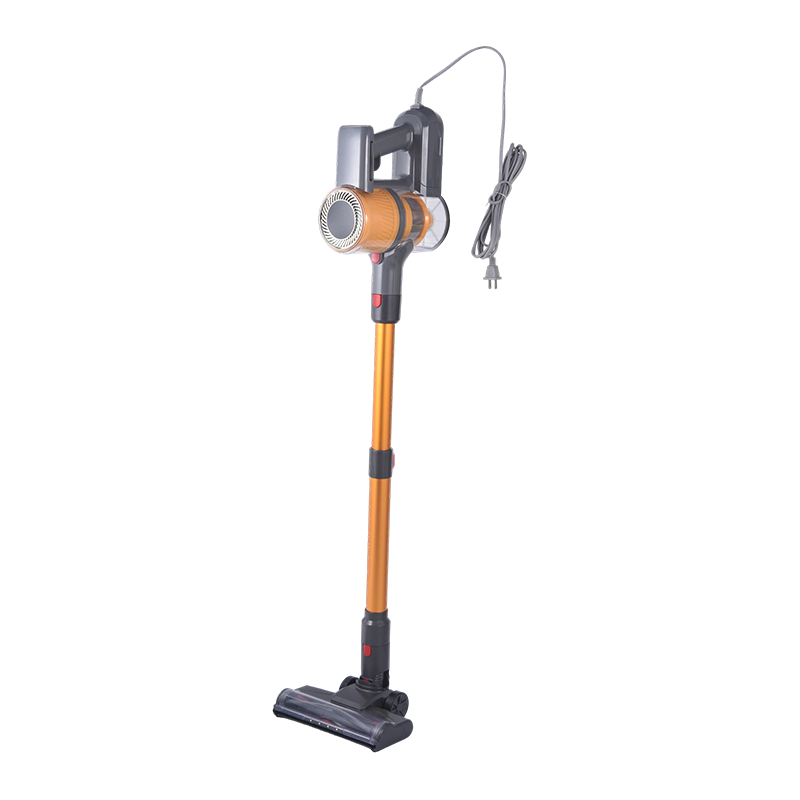
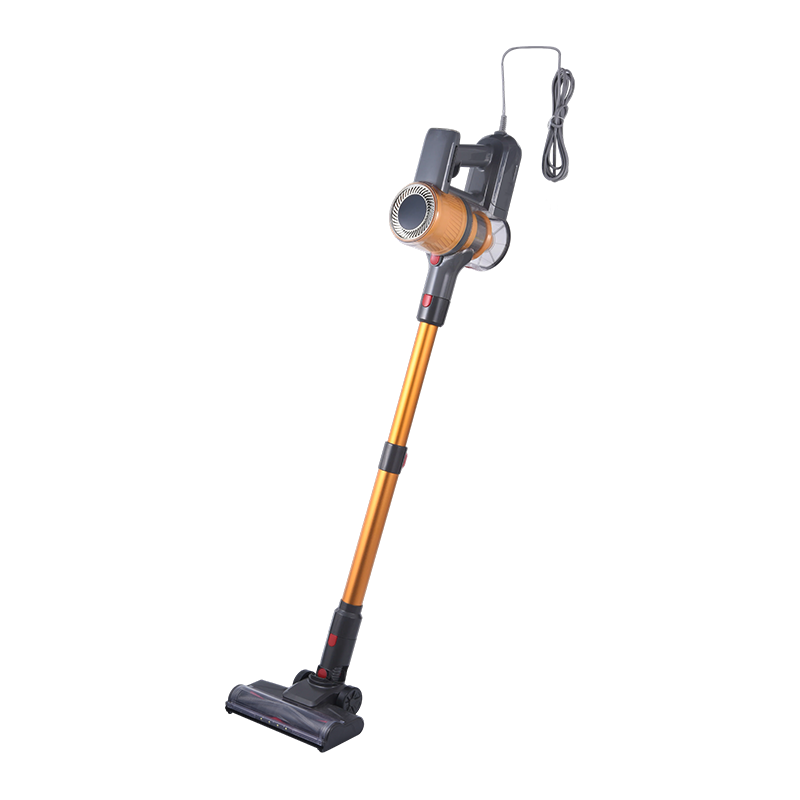
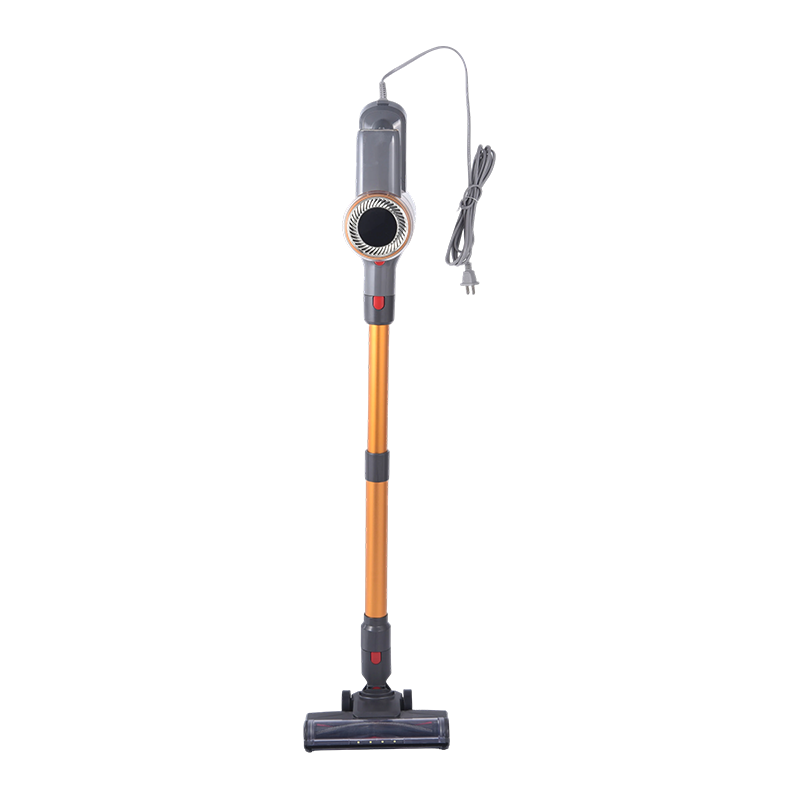
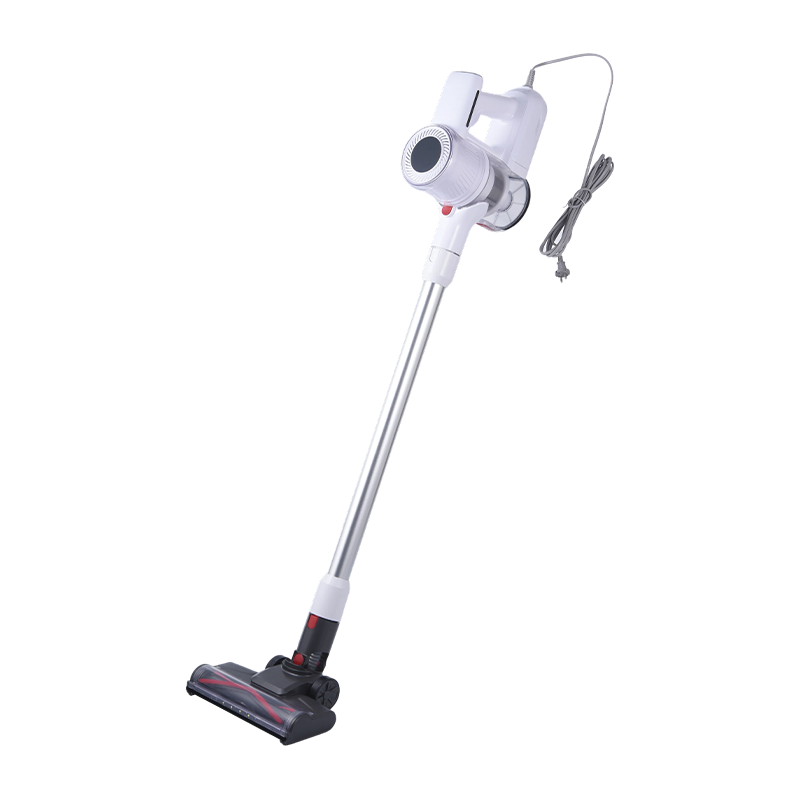
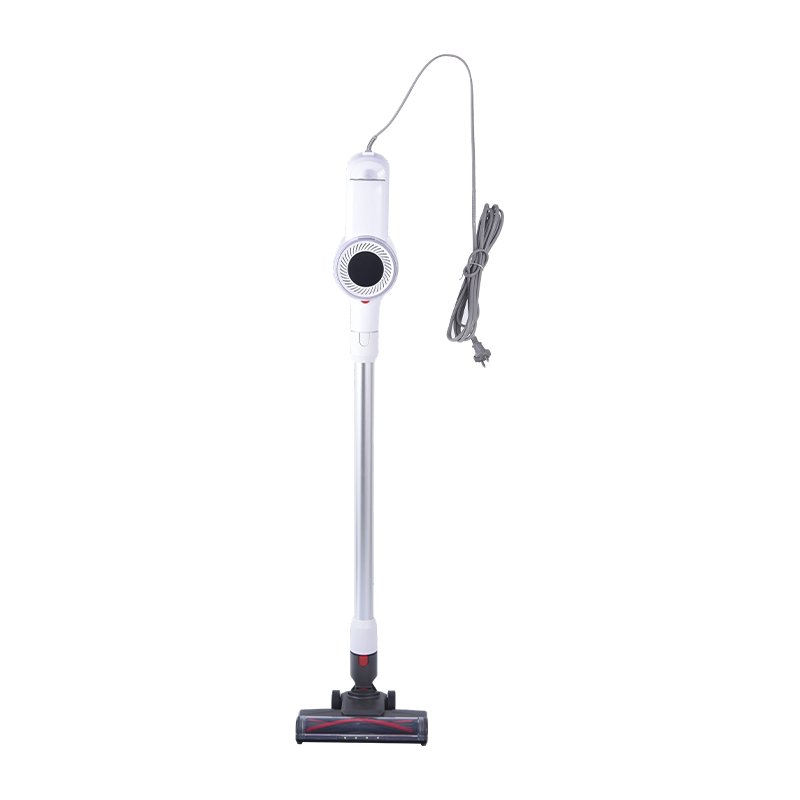
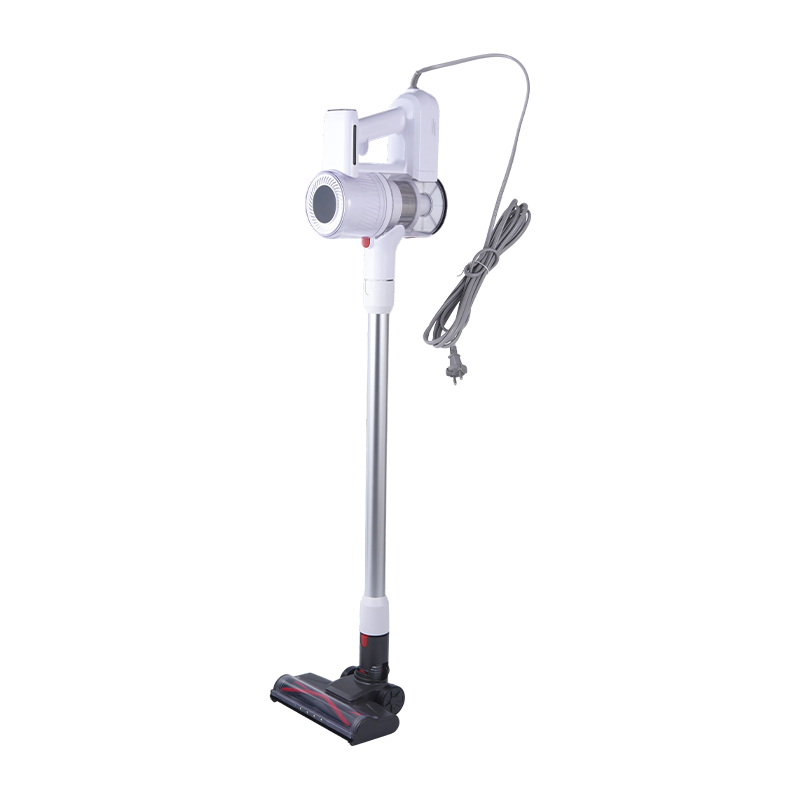
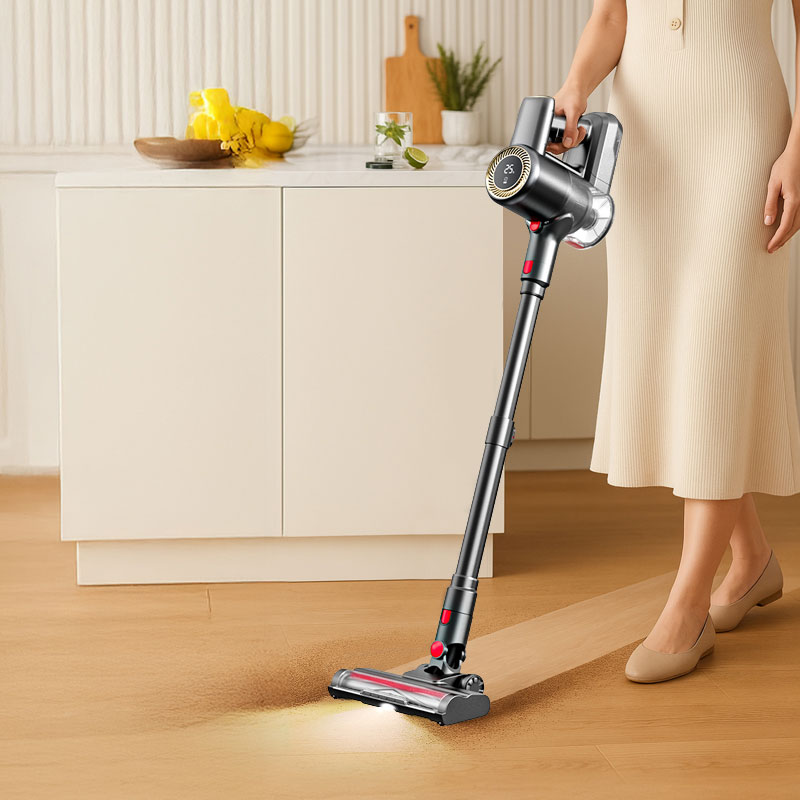
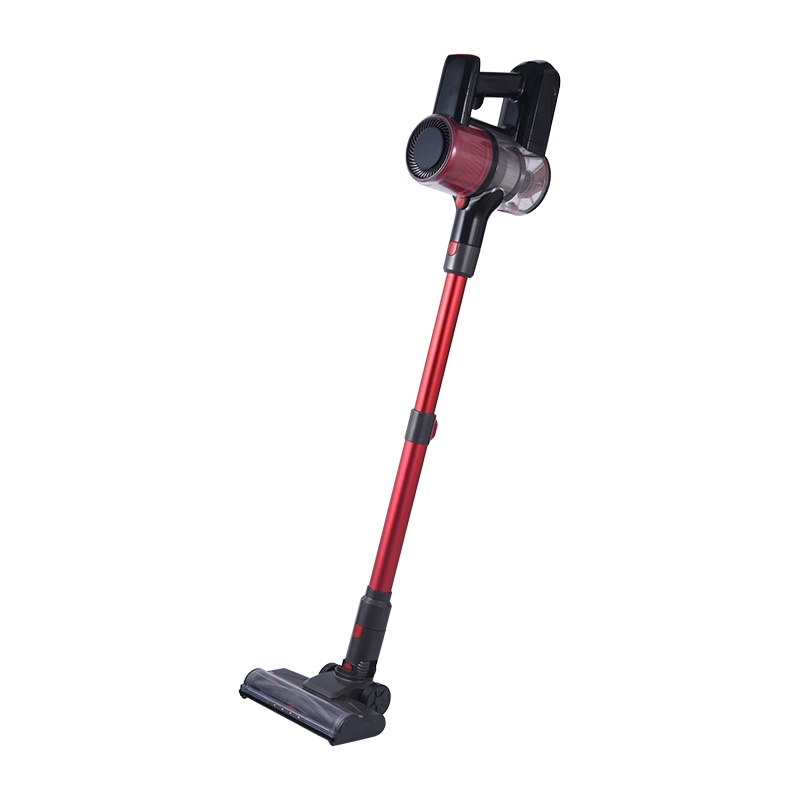
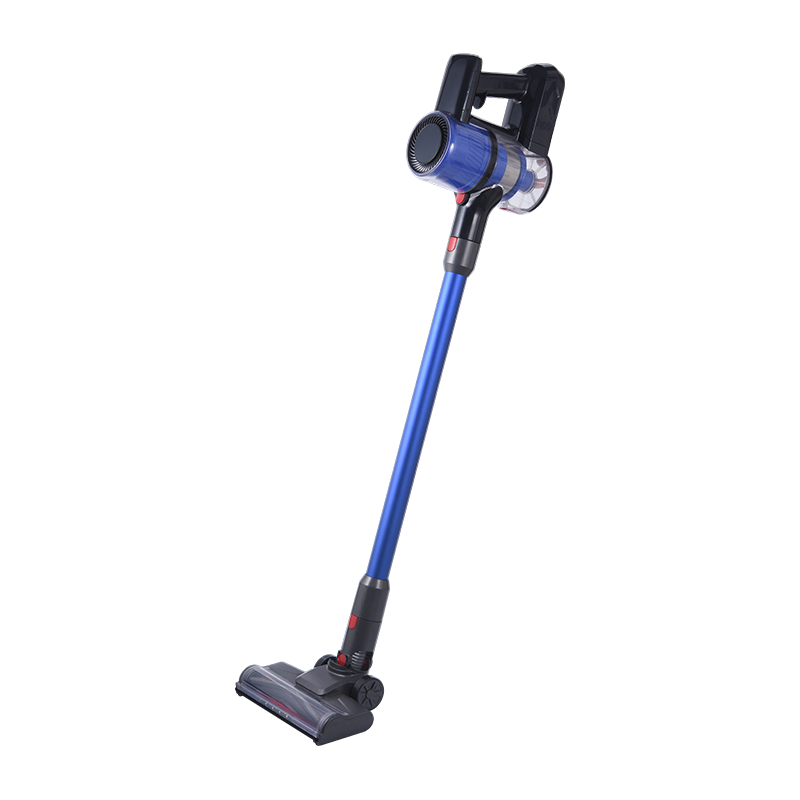
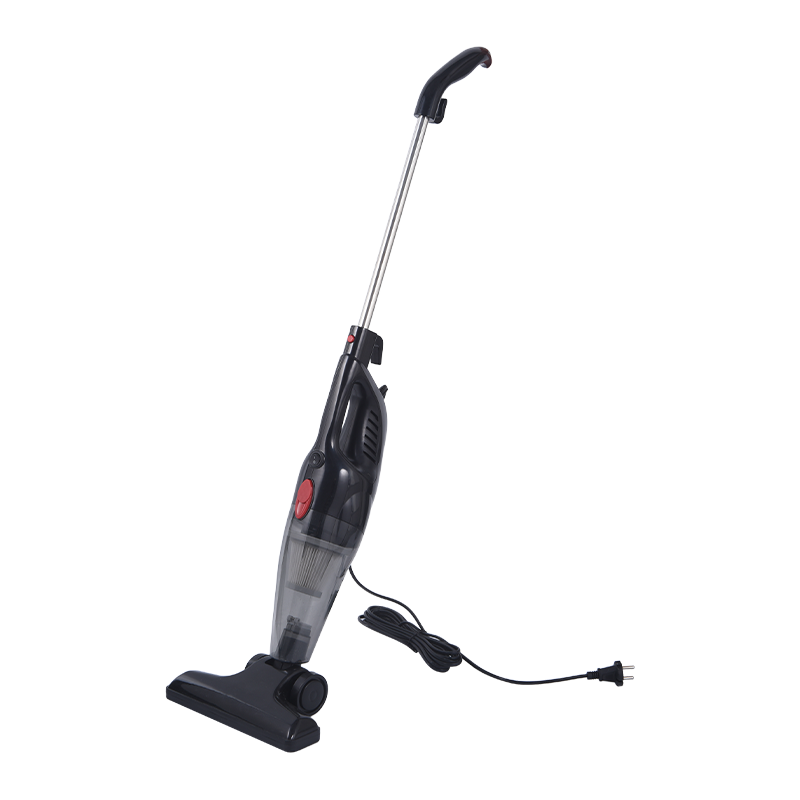
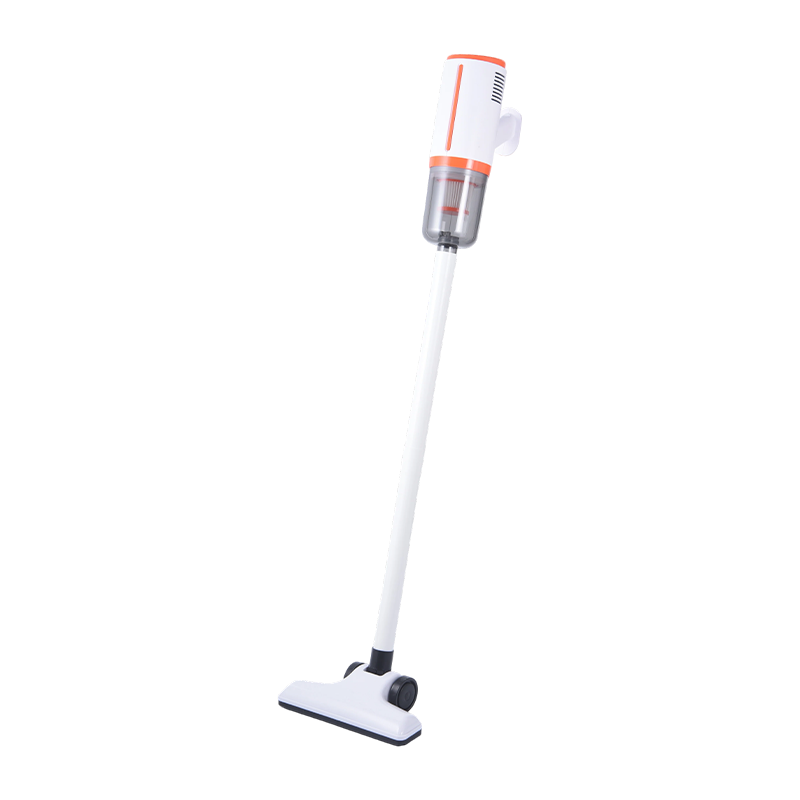
XC-V07 Dyson-style Large Canister Corded Household Vacuum Cleaner
Dyson-Style Large Barrel Corded Household Vacuum Cleaner This Dyson-style large barrel corded vacuum cleaner is a flagship home cleaning appliance that combines efficient cleaning, aesthetic design, and environmental consciousness. It not only provides powerful deep cleaning capabilities but also, with its user-friendly design details and stylish appearance, becomes an integral part of enhancing home quality.
Core Performance Highlights 1. Five-Stage Filtration System for Deep Dust Capture and Purification Utilizing an upgraded five-stage progressive filtration system, it intercepts dust from large particles to fine dust, thoroughly trapping dust and allergens and effectively preventing secondary dust dispersion. The expelled air is fresh and clean, protecting your family's respiratory health. 2. Cyclone Pressure Technology for Efficient Separation and Anti-Clogging The unique cyclone structure uses high-speed centrifugal force to directly throw dust into the bottom of the dustbin, reducing filter clogging and maintaining strong suction power. This design not only improves cleaning efficiency but also significantly extends the service life of the machine. 3. One-Touch Dust Disposal Design for Zero Contact and Convenience No need to manually disassemble the dustbin; dust can be emptied directly into the trash can with a single touch, without touching the dust or causing dust dispersion. This completely solves the problem of dirt and mess when emptying traditional vacuum cleaners, making cleaning easier. 4. Fully Washable and Reusable Filters for Zero Consumables and Environmental Friendliness All filters are washable and reusable, eliminating the need for frequent replacement of consumables, saving you long-term costs and reducing plastic waste, perfectly aligning with the modern green lifestyle and environmental protection concept. 5. 500W Powerful Motor and 15000Pa Hurricane Suction Power Equipped with a 500W high-power motor, the 15000Pa hurricane-level suction power can easily吸附 pet hair, debris embedded in carpets, and deep-seated dust. Whether for daily maintenance or deep cleaning, it gets the job done in one go. Product Core Advantages • Aesthetics and Practicality Combined: Continuing Dyson's iconic minimalist and stylish design, the smooth lines and textured body are not only a cleaning tool but also become part of your home decor, enhancing the overall style of your space. • Comprehensive coverage in all scenarios: From hard floors, carpets, and sofas to windowsills, under-bed crevices, and even confined spaces inside cars, it handles everything efficiently. One device takes care of all your household cleaning needs, reducing the hassle of switching between different tools. • User-friendly intelligent control: The operating interface is simple and intuitive, and with intelligent control functions, even the elderly can easily use it. One-button emptying and a zero-consumable design significantly save time and effort, making the cleaning experience more comfortable and convenient. • Green and sustainable design: The environmentally friendly concept of zero-consumable, reusable design not only reduces long-term costs but also contributes to environmental protection, perfectly matching the green lifestyle of modern families.
About Us
Cixi Xiaochao Electrical Appliance Co.,Ltd.
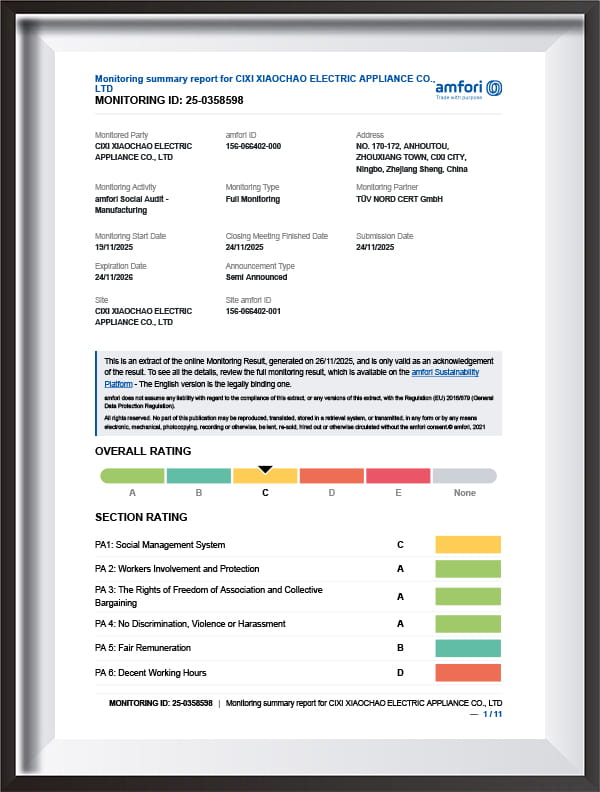
Cixi Xiaochao Electrical Appliance Co.,Ltd., rooted in Cixi City, Zhejiang Province, known as the "Capital of Small Household Appliances" in China, is a comprehensive household appliance manufacturer with over two decades of development history, integrating R&D, manufacturing and sales. The company is a China OEM/ODM XC-V07 Dyson-style Large Canister Corded Household Vacuum Cleaner Supplier and XC-V07 Dyson-style Large Canister Corded Household Vacuum Cleaner Factory, committed to providing efficient, convenient and intelligent cleaning solutions and small household appliances for global users.
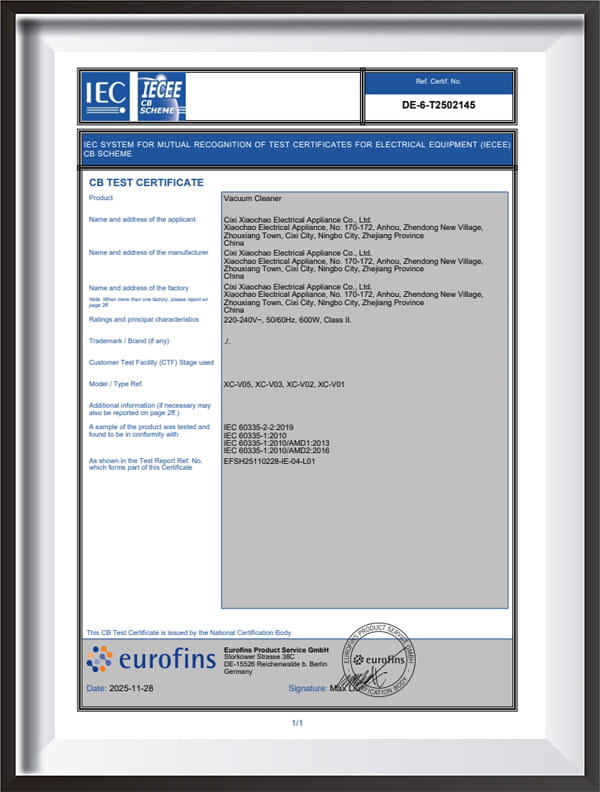
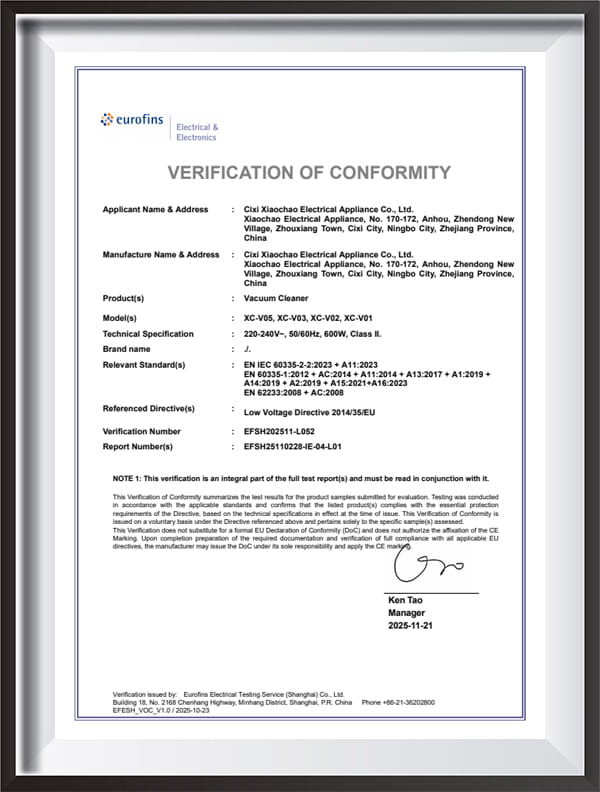
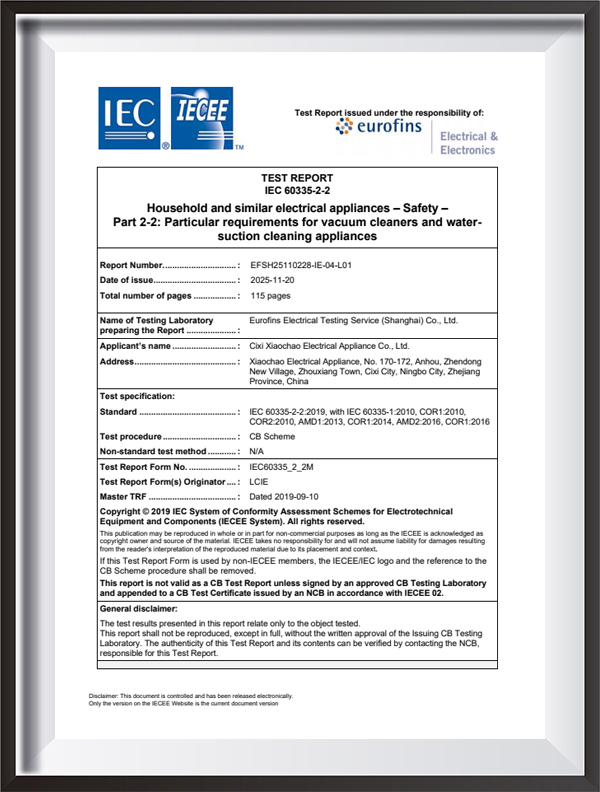
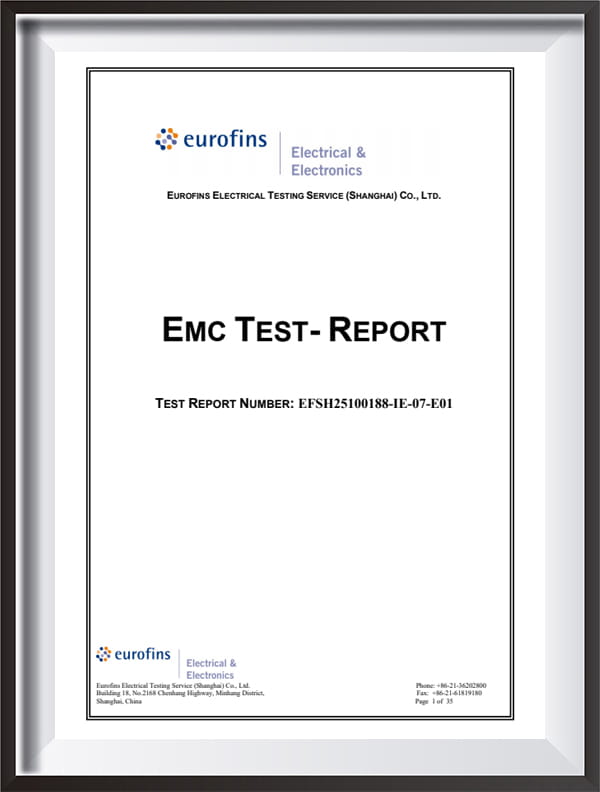
As a enterprise specializing in the R&D, production and sales of portable handheld vacuum cleaners, the company's cleaning product line covers household vacuum cleaners, car vacuum cleaners, cordless vacuum cleaners, mite removers and various multi-functional cleaning devices. The product range also extends to various table lamps, ultraviolet disinfection lamps, mini fans and other small household appliances, widely applicable to various life scenarios. The company covers an area of 18,000 square meters, equipped with 28 types of injection molding machines and 8 modern production lines, ensuring the independent and large-scale production from components to finished products. It has professional OEM and ODM cooperation capabilities and can provide flexible one-stop production solutions for customers. The company has passed the ISO9001 quality management system certification, ensuring the standardization and refinement of the production process. All products have passed multiple international and domestic certifications such as GS, CE, ROHS, CB, EMC, LVD, ERP and CCC, with reliable quality and compliance with global market access standards. With outstanding product quality and innovative design, the company's products are exported to many countries and regions around the world, including Europe, America, Japan, South Korea and Southeast Asia, and are deeply trusted by domestic and foreign markets and consumers.
With the mission of "Innovation-driven, Clean Future", the company adheres to the principles of lean manufacturing and customer first. Through continuous technological iteration and product innovation, it constantly improves the user experience, aiming to become a leading brand in the global cleaning field and striving to create a cleaner and more beautiful life!
The XC-V07C Dyson-style large barrel vacuum cleaner is a whole-house cleaning flagship designed for quality-oriented households that pursue extreme suction, zero consumables, and contactless dust empt...
The XC-V07C Pro Dyson-style large cordless barrel vacuum cleaner is an all-around upgraded flagship model of the standard version. Inheriting the iconic industrial aesthetics and five-stage high-effic...
This household handheld and stick 2-in-1 vacuum cleaner is a lightweight and efficient cleaning tool designed for modern homes and various scenarios. Combining the convenience of a handheld vacuum wi...
The XC-V03C minimalist white cordless handheld vacuum cleaner is tailor-made for modern families that pursue efficient storage and flexible cleaning. Centered on minimalist aesthetics and cordless fre...
The XC-V07 Dyson-style Large Canister Corded Household Vacuum Cleaner is a full-power, plug-in cleaning appliance built around a 500W motor and 15000Pa suction, designed for households that want consistent, uninterrupted cleaning strength without managing battery charge cycles. In short: for whole-home deep cleaning, embedded pet hair, and dust that has settled into carpet fibers over time, a corded household vacuum cleaner with strong sustained suction remains one of the most dependable formats available, because it draws power directly from the wall rather than a battery that can fade mid-session.
This article looks at how the XC-V07 performs across its core systems, what actually accumulates inside a typical home that a household vacuum cleaner has to remove, and how the corded canister format compares with other cleaning formats for different living situations. Data and industry context referenced below are drawn from publicly available filtration standards and indoor dust research, cited at the relevant points rather than presented as unverified claims.
A household vacuum cleaner is, in practice, one of the most frequently used appliances in a home, often running several times a week across a mix of hard floors, carpeted rooms, and upholstered furniture. Because of this frequency of use, small design details compound over time: a slightly heavier body, a filter that is awkward to rinse, or a dustbin that is unpleasant to empty can all make a technically capable machine feel like a chore to use. The sections below walk through the XC-V07's motor and suction system, its filtration stack, its anti-clogging design, and its physical structure, before moving into practical guidance on how a corded canister vacuum fits alongside other formats and how to keep it performing well over years of regular use.
500W Motor and 15000Pa Suction: What This Means in Practice
The XC-V07 is built around a 500W motor rated for a peak suction of 15000Pa, a specification aimed at giving a household vacuum cleaner enough lifting force to pull embedded debris out of carpet piles rather than skating across the surface. Because the unit is corded, this suction level is available continuously for as long as the vacuum is plugged in, without the gradual power reduction that some battery-powered devices experience as a charge depletes.
The gauge above presents the 15000Pa rating on a visual reference scale rather than as a direct measurement against any specific competing product. In general, higher suction figures correspond to better performance on dense carpet fibers, pet bedding, and heavier household debris, which is why this figure is treated as one of the defining specifications of the XC-V07. The 500W motor rating underneath the gauge indicates the electrical input driving this suction output, giving a fuller picture of how the unit is powered. Because the machine stays connected to a wall outlet throughout use, suction output does not need to be rationed across a session the way it sometimes is on a battery-powered unit. This makes the corded format particularly suited to longer, uninterrupted cleaning sessions across larger homes.
Suction pressure alone does not tell the whole story of how a vacuum performs; airflow, nozzle design, and how well the machine seals against a surface all affect how efficiently that suction translates into actual dirt pickup. A high Pa rating paired with a well-sealed floor head generally lifts more debris from carpet piles than the same rating paired with a poorly fitted attachment, since gaps around the nozzle allow air to bypass the surface being cleaned rather than pulling through it. The XC-V07's floor head and attachments are designed to maintain a closer seal against different surface types, which is intended to help the rated 15000Pa suction actually reach the floor or fabric being cleaned rather than dissipating around the edges of the nozzle. For a household vacuum cleaner used across a mix of hard flooring, rugs, and upholstery, this combination of motor output and attachment design matters as much as the headline suction figure by itself.
What a Household Vacuum Cleaner Actually Removes From Your Home
Understanding what a household vacuum cleaner is actually collecting helps explain why filtration design matters as much as raw suction. General indoor air quality research indicates that household dust is typically made up of dead skin cells at roughly 30 to 40 percent, fabric fibers at around 20 to 30 percent, outdoor soil at about 15 to 20 percent, dust mites at 5 to 10 percent, and pet dander contributing another 5 to 15 percent, along with other particles such as food debris and hair. These figures vary by household depending on factors like pet ownership, flooring type, and local climate, but they illustrate why a single-stage filter is often insufficient for a genuinely clean exhaust. Homes with carpet tend to retain a higher share of settled dust within the fibers themselves compared with hard flooring, where dust is more likely to become airborne again and resettle elsewhere, which is one reason carpeted rooms often benefit from more frequent, thorough vacuuming rather than occasional light passes.
The stacked bar above shows the approximate share of each material within typical household dust. Fabric fibers and dead skin cells together make up the largest portion, which explains why a filtration system needs to capture both relatively large fibrous particles and much finer particulate matter in the same pass. Pet dander and dust mites are smaller by volume but disproportionately significant for allergy sufferers, since these particles are strongly associated with respiratory irritation. This composition is one reason the XC-V07 is built around a progressive, multi-stage filtration approach rather than a single filter layer, since different particle types are more efficiently captured by different filtration mechanisms.
It is worth noting that dust composition is not static across a home; a kitchen floor tends to accumulate more food debris and grease-bound particles, while a bedroom carpet accumulates more skin cells, fabric fibers, and dust mite waste due to prolonged contact with bedding and clothing. A living room with upholstered furniture and pets often shows a higher share of pet dander and hair than other rooms. This variation is one reason a household vacuum cleaner benefits from interchangeable attachments rather than a single fixed nozzle, since the ideal tool for lifting embedded carpet fiber debris is not the same as the ideal tool for a hard kitchen floor or a fabric sofa cushion. Understanding this room-by-room variation can also help households decide where to focus more frequent vacuuming, since bedrooms and areas with heavy fabric use typically benefit from more regular attention given their higher concentration of allergenic material.
Five-Stage Filtration System: How Each Layer Contributes
The XC-V07 uses an upgraded five-stage progressive filtration system that intercepts dust ranging from large particles down to fine dust, aiming to trap allergens and reduce secondary dust dispersion during use. Rather than relying on one filter to do all the work, each stage is intended to handle a narrower range of particle sizes, which distributes the filtration load and helps keep airflow resistance manageable. For a household vacuum cleaner, this staged approach is particularly relevant because the debris entering the machine is rarely uniform in size; a single cleaning pass might pick up coarse fibers from a rug, fine dust from a hard floor, and microscopic allergens from a fabric sofa cushion, all in the same airstream.
Five-stage filtration process used in the XC-V07 household vacuum cleaner
Stage
Primary Role
1. Coarse Particle Screen
Intercepts larger debris such as fibers and hair before finer stages
2. Sponge Impurity Layer
Captures medium-sized impurities that pass the first screen
3. Fine Dust Separation
Removes smaller dust particles ahead of the main filter
4. HEPA-Grade Layer
Traps fine allergens including pollen and mold spores
5. Final Purification
Conditions the air stream before it exits the unit
In the broader HEPA filtration industry, the European EN1822 standard classifies HEPA filters from H10 to H14, with an H13-grade filter defined as one capable of filtering out 99.95 percent or more of particles at 0.3 microns. This standard gives a useful frame of reference for what "HEPA-grade" filtration generally means across the appliance industry, though exact certification levels vary by product and manufacturer. The practical takeaway for a household vacuum cleaner is that a genuinely fine filtration stage should be capable of holding onto particles well below what is visible to the eye, rather than simply screening out larger dust and hair. All filter components in the XC-V07, from the coarse screen through the fine filtration stages, are washable and reusable, which means they can be rinsed and air-dried rather than replaced on a recurring schedule.
Progressive filtration also has a practical benefit for airflow. If a single fine filter were asked to capture everything from large fibers down to microscopic particles in one pass, it would tend to clog quickly, since the coarse debris would sit on the same surface meant to be trapping fine dust. By spreading the workload across five stages, larger material is removed early, leaving the finer stages to focus on smaller particles without being overwhelmed by bulk debris. This layered approach is one of the reasons the XC-V07 can sustain both strong suction and thorough filtration in the same pass, rather than requiring a trade-off between the two. For households managing allergies, asthma, or simply a preference for cleaner indoor air, this kind of layered filtration approach is generally considered a meaningful upgrade over a single-layer filter bag or foam insert.
Cyclone Pressure Technology and Suction Stability Over a Long Session
A common weakness in many vacuum cleaners is suction that weakens as the filter picks up debris and airflow becomes restricted. The XC-V07 addresses this with a cyclone pressure structure that uses high-speed centrifugal force to throw dust and debris directly into the bottom of the dustbin before it reaches the filter stack. This separation step reduces how quickly the filters clog, which in turn helps suction stay closer to its rated level as a cleaning session continues.
The chart uses a compressed 90-100 percent axis so the modest decline over an extended session is easier to see; the visual drop looks larger than it is because the scale does not start at zero. Because the XC-V07 is corded, a continuous 60-minute cleaning session is realistic for a large home without needing to pause for a recharge, and the cyclone separation step is what keeps suction reasonably stable across that entire period. Suction remains close to full strength through the first 30 minutes, with only a modest additional reduction by the 60-minute mark as the dustbin fills further. This pattern reflects a well-understood principle in vacuum design: separating debris before it reaches the filter reduces the airflow restriction that would otherwise cause suction to drop more sharply over time.
Beyond the immediate suction benefit, reduced filter clogging also has a knock-on effect on the lifespan of the motor itself. A motor working against a heavily restricted airflow path typically runs hotter and works harder to maintain output, which over years of use can accelerate wear. By keeping the airflow path clearer for longer, cyclone separation is intended to reduce this strain, which is one reason the technology has become a standard feature across many higher-performance vacuum cleaners rather than a niche option. For a corded household vacuum cleaner expected to handle frequent, sometimes lengthy cleaning sessions across a full home, this kind of mechanical durability consideration is as relevant as the suction figures discussed earlier.
Overall Performance Balance Across Five Practical Dimensions
Bringing suction, filtration, anti-clog durability, surface coverage, and maintenance together, the radar chart below summarizes how the XC-V07 is positioned as a household vacuum cleaner on a 1-to-5 scale.
Suction power and filtration score highest, reflecting the 500W motor, 15000Pa rating, and five-stage filtration stack. Anti-clog durability and surface coverage also score well, supported by the cyclone separation system and a set of attachments intended to reach hard floors, carpets, sofas, windowsills, under-bed gaps, and car interiors. Maintenance ease sits slightly lower only because washable filters still require occasional rinsing and drying time, even though this approach avoids the recurring cost and waste of disposable filter cartridges. Taken together, the balance illustrated here is consistent with a household vacuum cleaner designed for deep, whole-home cleaning rather than brief, light-duty touch-ups.
It is worth noting that no single household vacuum cleaner scores at the maximum across every dimension, since design choices inevitably involve trade-offs. A unit optimized purely for portability will generally sacrifice some suction and dustbin capacity, while a unit optimized for whole-home suction, like a large corded canister vacuum, will generally be heavier and less convenient to carry between floors than a compact stick model. Viewing the radar chart in this light helps set realistic expectations: the XC-V07 is positioned as a strong, well-rounded option for the specific job of thorough, whole-home cleaning, rather than as an attempt to be the lightest or most portable household vacuum cleaner on the market.
Noise, Handling, and Everyday Comfort
Suction and filtration numbers matter, but day-to-day comfort during use is what ultimately determines whether a household vacuum cleaner gets used consistently or ends up sitting in a closet. The XC-V07 is built with large, clearly labeled buttons on the handle for mode switching and dust release, a detail the manufacturer notes is intended to make the unit easier for elderly household members to operate without needing to consult a manual for basic functions.
Handling also depends on how the canister body and wand distribute weight during use. A canister-style vacuum keeps the heaviest components, the motor and dustbin, closer to the floor and away from the hand, which generally makes the wand itself lighter to maneuver than an upright design where the motor sits closer to the handle. This can make a noticeable difference during longer cleaning sessions, particularly when reaching under furniture or cleaning stairs, since the user is guiding a lighter wand rather than lifting the full weight of the motor housing. Attention to these ergonomic details is part of what separates a household vacuum cleaner that gets used every week from one that is technically capable but inconvenient enough to be reached for only occasionally.
Industry Context: Why Corded Suction Still Has a Place Alongside Cordless Growth
Home cleaning appliances have shifted noticeably toward cordless formats over the past decade, driven mainly by consumer demand for convenience, lighter builds, and freedom from managing a power cable between rooms. Industry market research broadly agrees that this shift has been significant, with cordless vacuums capturing a large and growing share of overall vacuum cleaner sales in many developed markets. At the same time, several of the same industry sources note a recurring trade-off: cordless units, because they rely on a battery, generally have to manage suction output more carefully to preserve runtime, and many models still deliver somewhat less sustained suction than a comparable corded unit running continuously from the mains.
This is the practical reason a corded household vacuum cleaner such as the XC-V07 continues to hold a place in the market even as cordless options multiply. A corded canister vacuum does not need to balance suction against a battery budget, so its rated output can remain available for as long as the cleaning session requires, whether that is a quick pass through a single room or a full, whole-house cleaning routine. Households that prioritize consistently strong suction over portability, particularly those with larger homes, pets, or a preference for periodic deep-cleaning sessions rather than frequent light touch-ups, often continue to find a corded canister format better suited to their needs than a battery-powered alternative. Many households, in practice, keep both formats on hand: a corded canister vacuum for scheduled deep cleaning, and a smaller cordless unit for quick day-to-day spot cleaning.
One-Touch Dust Disposal: A Practical Look at Hygienic Emptying
Emptying a vacuum's dustbin is one of the more unpleasant parts of ownership for many households, since traditional designs often require manually pulling the bin apart and shaking loose the accumulated dust, which can send fine particles back into the air. The XC-V07 is designed around a one-touch dust disposal mechanism: the dustbin can be emptied directly into a trash can with a single press, without needing to touch the collected dust or disassemble the housing. This is a small mechanical detail on paper, but it addresses one of the more consistent complaints raised about traditional canister and bagless vacuum designs, where emptying the bin often means holding it at arm's length over a bin while trying to avoid a cloud of fine dust escaping into the room.
This detail matters more than it might initially appear, particularly for anyone sensitive to dust or allergens, since a large share of what accumulates in the bin is the same fine material discussed earlier, including fabric fibers, skin cells, and pet dander. Reducing direct contact with this material during disposal is a meaningful hygiene benefit rather than a purely cosmetic feature. Because the mechanism does not require disassembly, it also tends to be quicker in daily use, which matters over the lifetime of a household vacuum cleaner that may be emptied dozens of times each month in an active home.
The design also has a secondary benefit for households with young children or anyone sensitive to airborne dust: because the bin opens directly over a trash receptacle rather than requiring the user to hold an open container while shaking out debris, there is less opportunity for fine particles to become airborne indoors during disposal. Over time, the cumulative effect of dozens of low-contact emptying cycles rather than dozens of manual, disassembled cycles is a meaningfully lower amount of direct exposure to the material a household vacuum cleaner is specifically designed to remove from the living environment in the first place.
Structure Overview: Inside the XC-V07 Canister Body
The labeled cutaway below outlines the main functional sections of the XC-V07, from the power cord intake through to the floor head attachment. Understanding how these sections connect helps explain why the machine behaves the way it does during use, and where each of the features discussed earlier in this article, such as the cyclone chamber and the one-touch release base, physically sit within the overall body.
Power enters through the cord into the motor housing at the top of the canister, which drives suction down through the cyclone chamber and the five-stage filter stack before clean air is expelled. The one-touch release base sits at the bottom of the filter stack, allowing the collected dust to be emptied directly rather than pulled apart by hand. The extension wand and floor head connect at the front of the unit, and swapping the floor head for a smaller attachment allows the same canister to reach car interiors, upholstery, and window tracks.
This layout reflects the Dyson-inspired minimalist design language the XC-V07 draws from, with smooth, streamlined lines and a large, transparent dustbin section that lets the user see how full the bin is without opening it. Beyond aesthetics, the transparent housing serves a practical purpose: a household vacuum cleaner that visibly shows its fill level makes it easier to decide when to empty the bin proactively, rather than waiting until suction has already started to weaken. The overall body is sized to stand upright on its own in a corner or utility closet, which is a small but meaningful convenience for households without a dedicated storage closet for cleaning equipment.
Corded Canister vs Other Household Vacuum Cleaner Formats
Choosing a household vacuum cleaner often comes down to which format best matches a home's layout and cleaning habits, rather than which format is universally superior. Apartment dwellers with mostly hard flooring and limited storage space tend to weigh portability more heavily, while owners of larger homes with mixed flooring and pets often place more weight on suction strength and dustbin capacity. The comparison below outlines general, brand-neutral characteristics across three common formats to help frame that decision.
General comparison of household vacuum cleaner formats
Format
Power Source
Typical Strength
Corded Large Canister
Continuous mains power
Sustained suction for long, whole-home sessions
Cordless Stick
Rechargeable battery
Mobility and quick, cord-free cleaning
Compact Handheld
Rechargeable battery
Spot cleaning cars, stairs, and upholstery
A corded large canister household vacuum cleaner such as the XC-V07 generally suits households that prioritize sustained suction and dustbin capacity over portability, since the trade-off for continuous power is a cord that needs to reach each room. Cordless stick and compact handheld units trade some sustained power for mobility and convenience in tighter spaces. Many households end up using more than one format, reserving a corded canister vacuum for deep, scheduled cleaning and a smaller cordless unit for quick daily touch-ups.
When comparing formats, it also helps to think about how each one is actually used week to week rather than only its specification sheet. An upright vacuum is often left assembled and ready to grab, which suits households that vacuum frequently but in short bursts. A corded canister vacuum such as the XC-V07 is typically stored with its wand and attachments and brought out for a more deliberate, scheduled cleaning session, since the setup and cord management involve a small amount of additional effort compared to grabbing a lightweight stick vacuum. Recognizing this pattern can help a household decide realistically which format they will actually reach for regularly, since even a highly capable household vacuum cleaner delivers little benefit if it is left unused because it feels like more effort than a lighter alternative.
Everyday Scenarios Where the XC-V07 Fits Well
Because the XC-V07 combines strong suction, a large dustbin, and multiple attachments, it tends to be a practical household vacuum cleaner choice in a number of recurring situations around the home.
Whole-home deep cleaning: continuous corded power supports long sessions across hard floors, carpets, and sofas without needing to recharge partway through
Pet-owning households: strong suction combined with cyclone separation helps lift embedded fur from carpets and pet beds while limiting filter clogging
Allergy-conscious families: the five-stage filtration stack is designed to trap common allergens such as pollen and dust mite residue before exhaust air is released
Homes with mixed surfaces: attachments cover hard floors, carpets, sofas, windowsills, and under-bed gaps, reducing the need to switch between separate tools
Car interiors and confined spaces: detachable attachments extend the same motor and suction into tight areas like footwells and seat gaps
These scenarios share a common thread: they all involve either a larger volume of debris than a quick daily pass would generate, or a type of debris that is genuinely difficult to remove without strong, sustained suction. A household vacuum cleaner built around a smaller motor and battery can still handle light dusting and daily upkeep reasonably well, but the scenarios above are the situations where the specific combination of high suction, a large dustbin, and continuous corded power tends to make the most practical difference in how thoroughly a space actually gets cleaned.
Choosing and Maintaining a Household Vacuum Cleaner Over Time
Selecting the right household vacuum cleaner is only the first step; ongoing maintenance has a direct effect on how well it performs over its lifespan. The following habits are broadly applicable to corded canister vacuums, including the XC-V07.
Empty the dustbin before it reaches full capacity rather than after, to keep airflow and suction closer to peak levels
Rinse washable filters on a regular schedule and allow them to fully air-dry before reinstalling
Check the floor head and brush roll periodically for tangled hair or fibers that can slow rotation
Inspect the power cord and wand connections for wear, since a secure seal helps preserve suction strength
Store attachments together in a dedicated spot so the full set stays available for different surfaces and scenarios
Because all filters in the XC-V07 are washable and reusable, ongoing maintenance mainly involves cleaning rather than repurchasing consumable parts, which is a meaningful consideration for households comparing the long-term upkeep of different household vacuum cleaner options.
It is also worth building a simple, repeatable maintenance routine rather than addressing upkeep only when suction noticeably weakens. A short monthly check of the filter stack, brush roll, and hose connections takes only a few minutes but tends to catch small issues, such as a partially tangled brush roll or a slightly loose wand connection, before they compound into a larger drop in cleaning performance. Households that build this kind of routine maintenance into their regular cleaning schedule generally get more consistent performance out of any household vacuum cleaner over its working life, corded or cordless, simply because small problems are addressed while they are still minor rather than after they have affected day-to-day suction.
About Cixi Xiaochao Electrical Appliance Co.,Ltd.
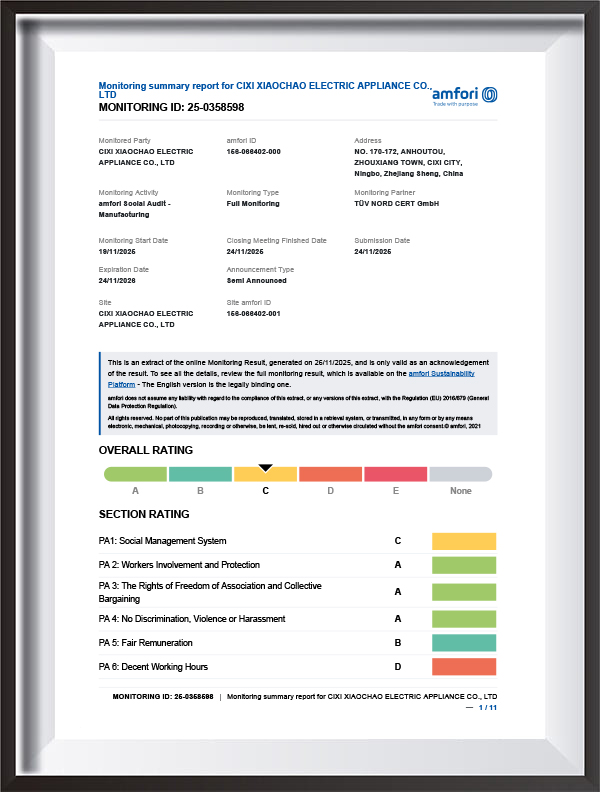
Cixi Xiaochao Electrical Appliance Co.,Ltd. is based in Cixi City, Zhejiang Province, an area known in China as the "Capital of Small Household Appliances." With more than two decades of development, the company operates as a comprehensive household appliance manufacturer covering research and development, manufacturing, and sales. It works as a China cordless vacuum cleaner manufacturer and OEM/ODM lightweight handheld vacuum factory, and the XC-V07 Dyson-style Large Canister Corded Household Vacuum Cleaner reflects this focus on practical, dependable cleaning equipment for everyday households.
The company's cleaning product line spans household vacuum cleaners, car vacuum cleaners, cordless vacuum cleaners, mite removers, and various multi-functional cleaning devices, alongside table lamps, ultraviolet disinfection lamps, and mini fans. The facility covers 18,000 square meters and includes 28 types of injection molding machines along with 8 production lines, supporting production from components through to finished goods, as well as OEM and ODM cooperation for outside customers.
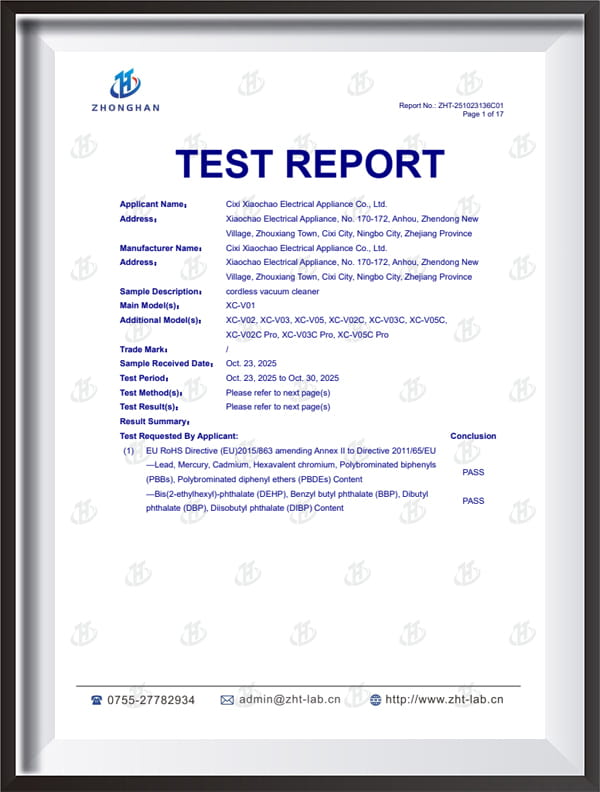
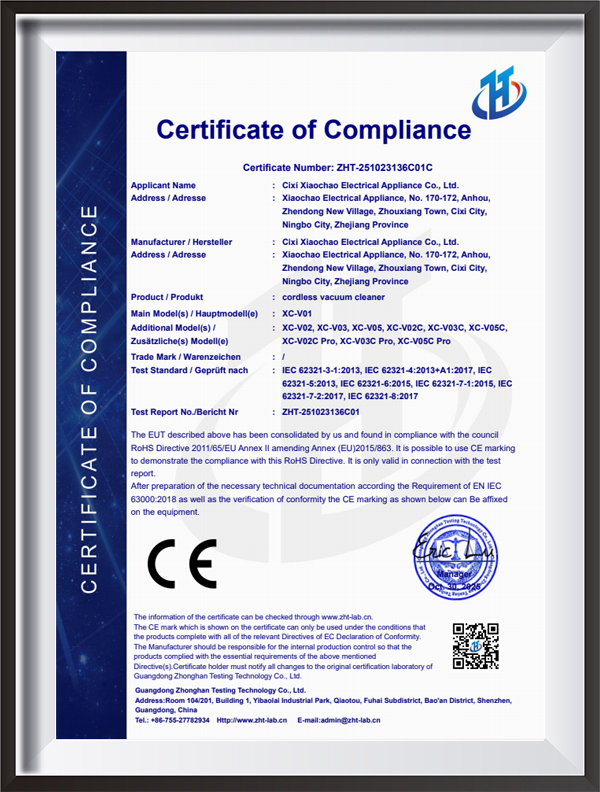
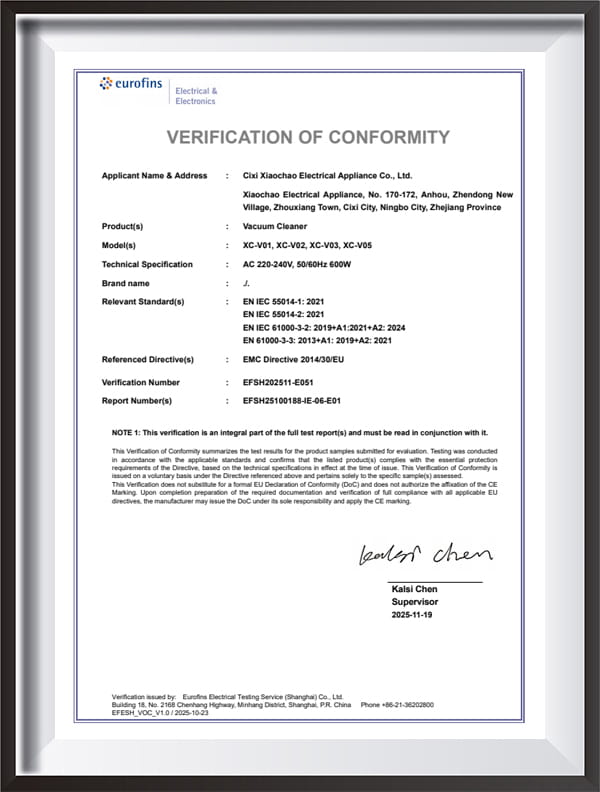
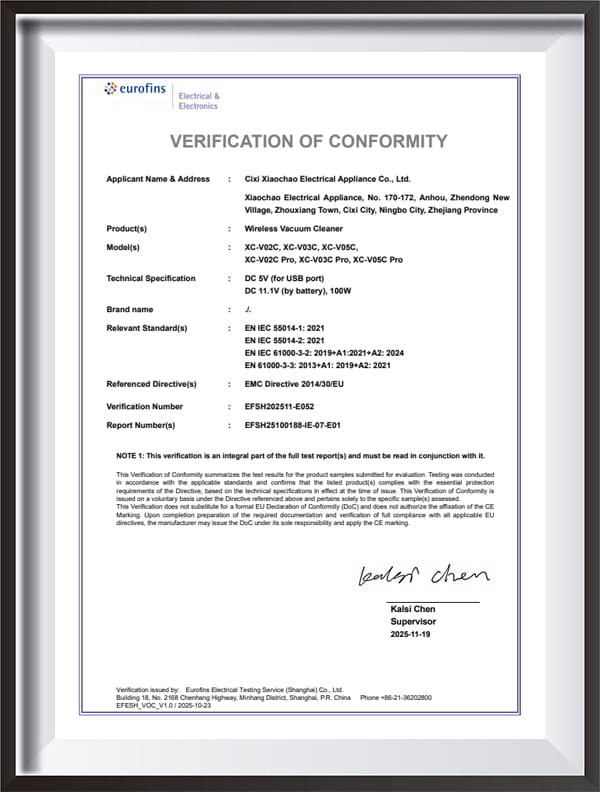
Cixi Xiaochao holds ISO9001 quality management system certification, and its products have passed certifications including GS, CE, ROHS, CB, EMC, LVD, ERP, and CCC. Products are exported to markets across Europe, the Americas, Japan, South Korea, and Southeast Asia. Under the guiding principle of "Innovation-driven, Clean Future," the company continues to refine its manufacturing process and product design to support cleaner, more convenient daily living for households worldwide. Products such as the XC-V07 are developed within this same manufacturing framework, drawing on the company's in-house injection molding and production line capacity to maintain consistent build quality across its household vacuum cleaner lineup.
Frequently Asked Questions
Q1: Is the XC-V07 a corded or cordless household vacuum cleaner?
The XC-V07 is a corded model, drawing continuous power from a wall outlet, which supports sustained suction throughout longer cleaning sessions without needing to recharge a battery. This makes it well suited to whole-home cleaning routines where a household vacuum cleaner needs to run for an extended period without interruption.
Q2: How does the five-stage filtration system help with allergies?
The progressive filtration stages are designed to trap particles ranging from large fibers down to fine allergens such as pollen and dust mite residue, reducing how much of this material is released back into the air. This layered design is intended to be particularly relevant for allergy-conscious households and rooms where fabric surfaces accumulate a higher share of allergenic material.
Q3: Do the filters need to be replaced regularly?
No. All filter components are washable and reusable, so they can be rinsed and air-dried for repeated use rather than replaced on a recurring basis. This reduces long-term consumable costs and cuts down on the plastic waste generated by disposable filter cartridges over the life of the household vacuum cleaner.
Q4: What kinds of surfaces can this household vacuum cleaner handle?
With its included attachments, the XC-V07 is designed to cover hard floors, carpets, fabric sofas, windowsills, under-bed gaps, and car interiors using the same motor and suction system, so households do not need a separate tool for each surface type.

 English
 Español
 عربى
عربى